 FREE SHIPPING! Automatically Applied on Orders Over $74!



Access Denied
IMPORTANT! If you’re a store owner, please make sure you have Customer accounts enabled in your Store Admin, as you have customer based locks set up with EasyLockdown app. Enable Customer Accounts
Get Your FREE Personalized Supplement Plan
Find out which supplements your body needs most — in under 60 seconds.
Welcome to a World of Personalized Care:
A unique pharmacy. 60 years of expertise. Everything YOU need to thrive.
- 7,000+ professional-grade supplements—real results from the highest-quality, science-based formulas
- Expert advice always available—licensed nutritionists, naturopaths, herbalists & pharmacists
- Custom compounding—personalized formulas designed specifically for you
- Nutrition consultations & functional lab testing—understand your unique biochemistry for truly tailored wellness plans


Every Day Low Prices Up to 25% OFF
Shop Now

The Sinus Survival is a holistic program for chronic and fungal sinusitis created and developed over the past 42 years by Dr. Ivker.
SAVE with Subscription Essentials
We’re thrilled to announce that you can now subscribe to regular shipments of many of your top essentials from Village Green. Just select “Subscribe” next time you order, and you’ll lock in savings of up to 10%.
 |
 |
 |

Listening...
Tap to Send
Welcome to My Village Green Apothecary! How can we help you?
New and Trending Products
sale
CALOCURB
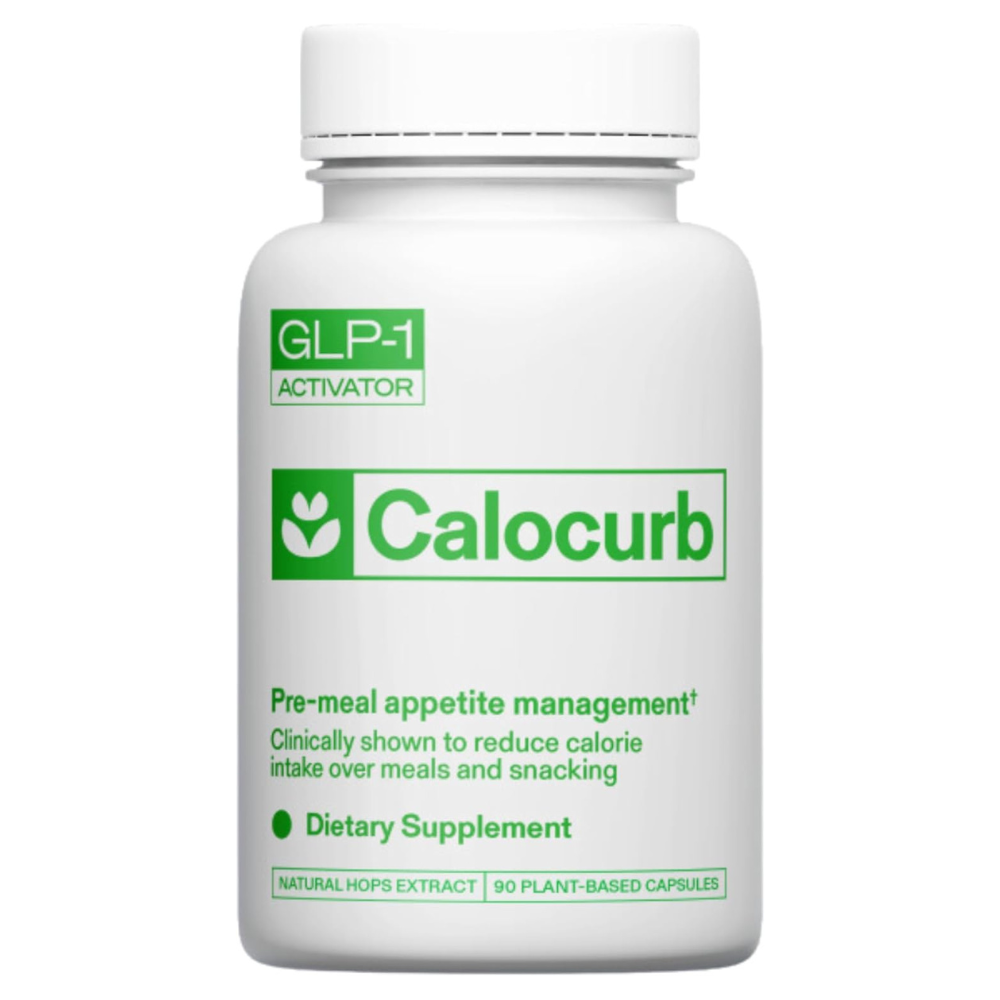
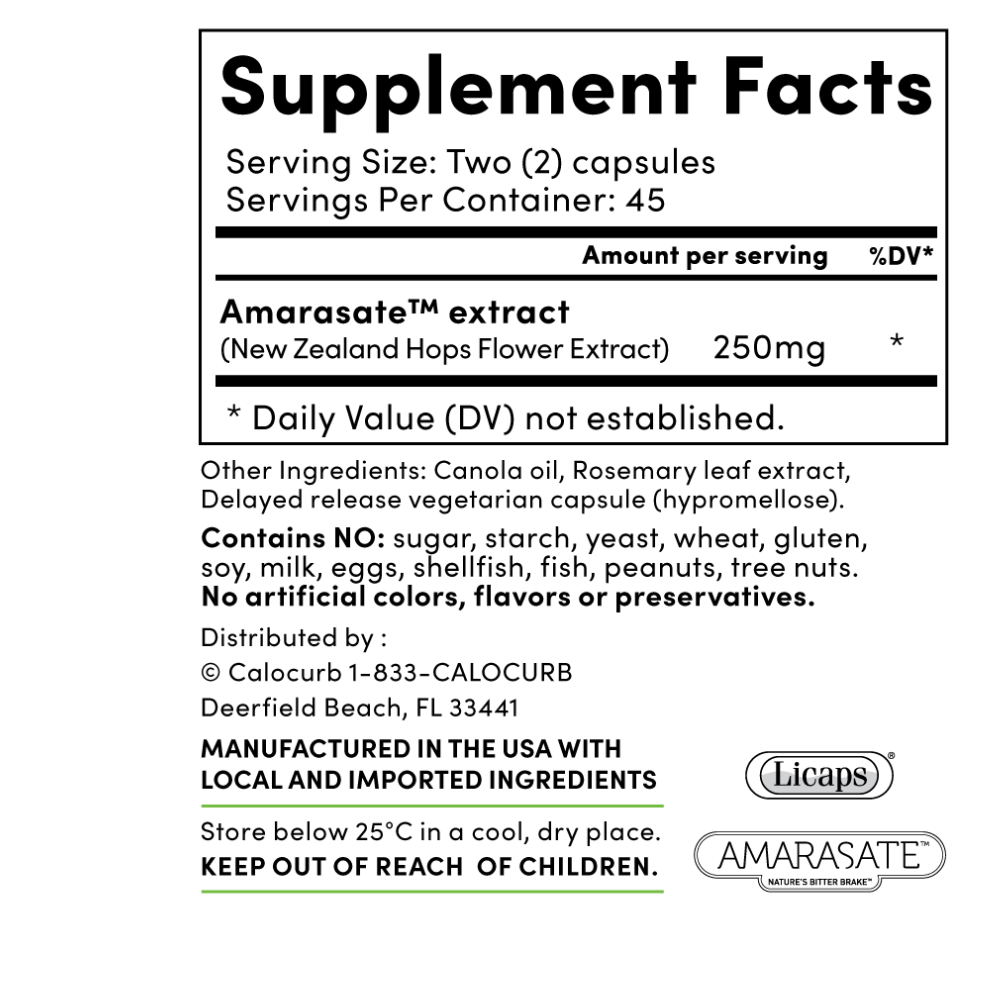
Calocurb Amarasate Appetite Control
1 review
$80.99
$89.99
Calocurb is a 100% natural appetite management support supplement, clinically shown to help manage hunger, snacking, overeating & cravings. Use Calocurb daily to stay focused on your health & wellness goals.
Calocurb is designed to be taken every day to support your health goals.
We recommend starting with one capsule per day, one hour before a meal. Increase to two capsules twice daily, one hour before meals over 5 days. This dosage helps the body naturally adjust to Calocurb. On stopping a daily regime, we recommend the five day build-back protocol.
Day 1 - 2: Take one capsule one hour before a meal.Day 3 - 4: Take one capsule twice daily, one hour before meals.Day 5+: Take two capsules twice daily, one hour before meals.Max: Four capsules daily.
Best results when taken on an empty stomach, one hour before meals. The effects of Calocurb can last for up to six hours after taking a capsule. You can tailor your dosage daily, to take between 1-4 capsules.
Key Benefits:
Appetite Control and Weight ManagementCalocurb supports natural weight management by reducing cravings and helping you feel full faster. Our active ingredient Amarasate stimulates the GLP-1 hormone, known for its role in satiety and appetite regulation.
Long term supportWe offer a natural approach to appetite control without the use of synthetic chemicals. Calocurb supports long-term weight management without the risk of dependency or intense side effects.
Safe and natural ingredientsOur three ingredients, including the capsule, are 100% plant-based and vegetarian, vegan & gluten-free.
Tailor your doseEveryones digestive system is different. With Calocurb you can start with our recommended dosage and adjust it as needed.
sale
PENDULUM
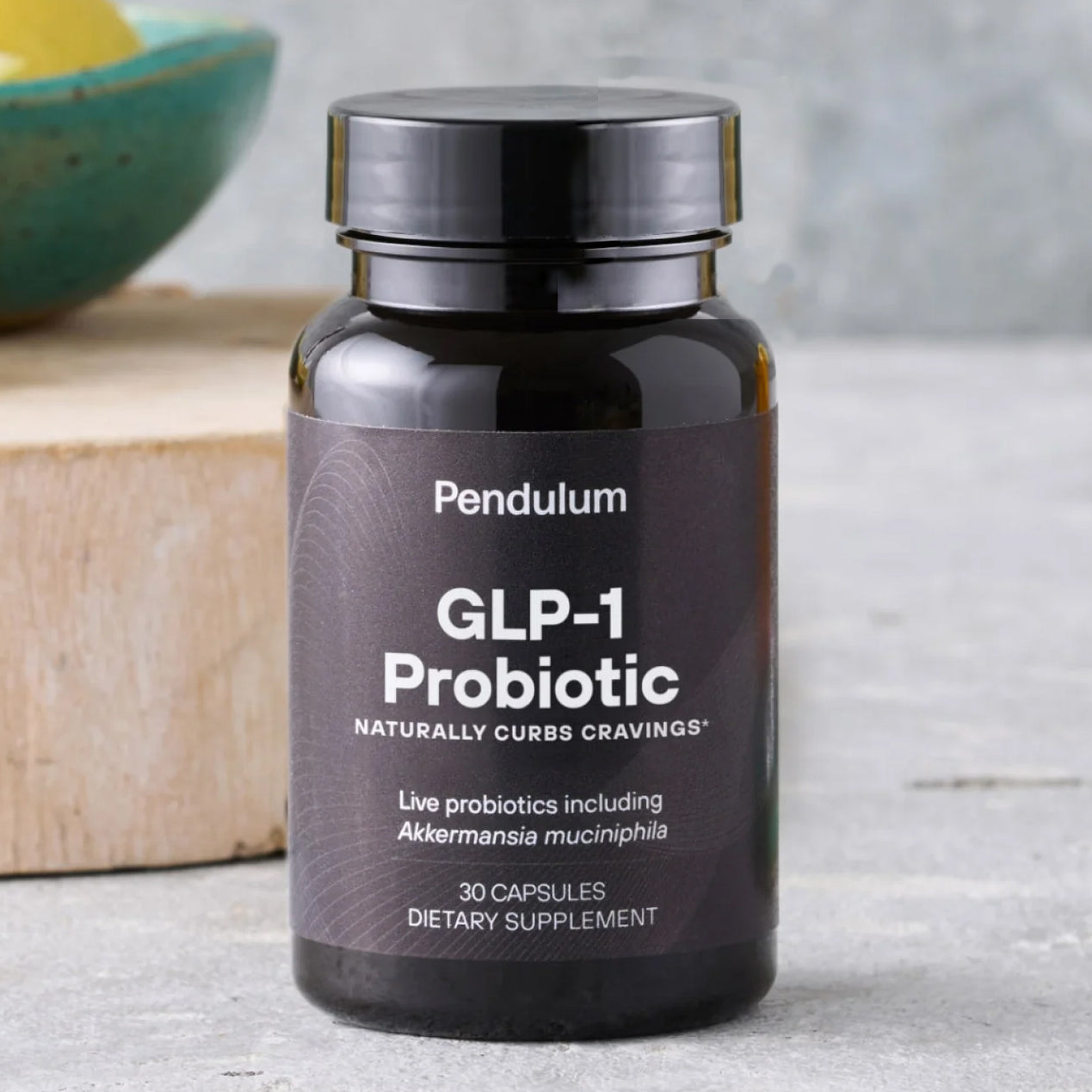
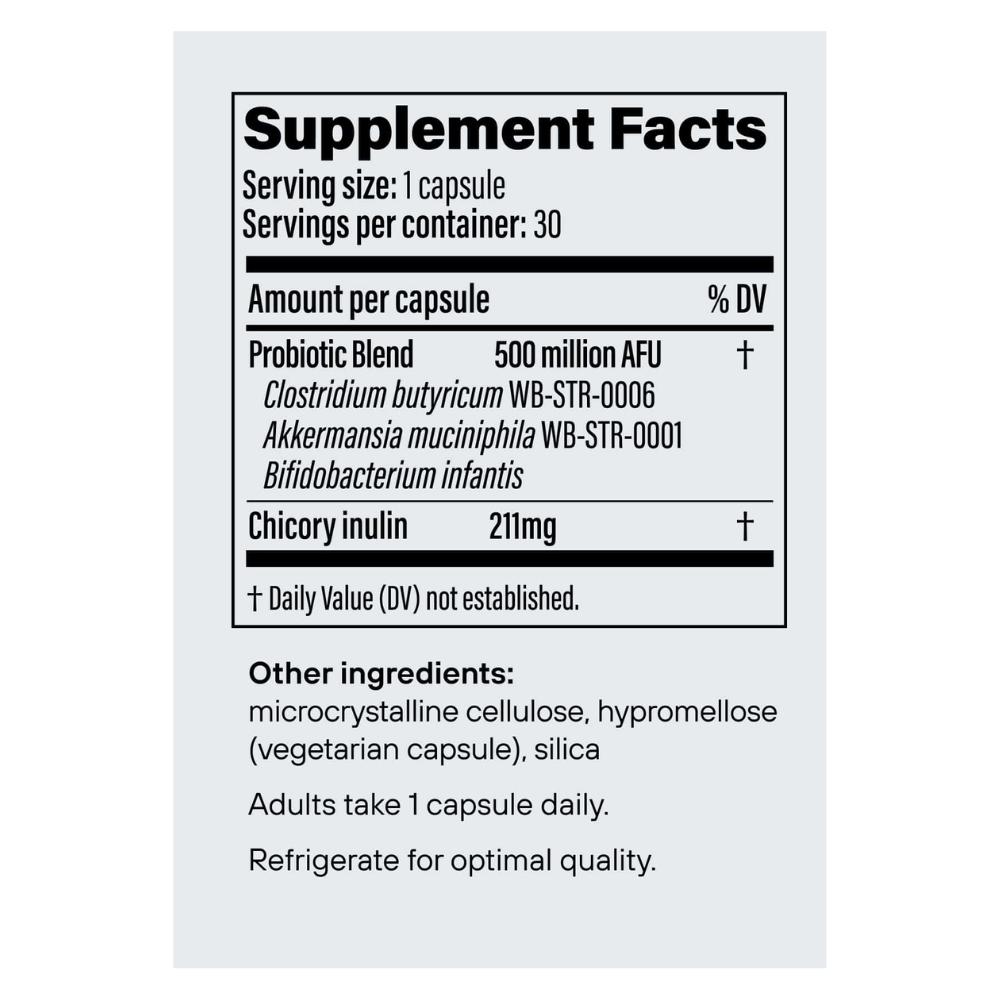
GLP-1 PROBIOTIC
No reviews
$66.30
$78.00
NATURALLY CURBS CRAVINGS
This multi-strain probiotic is formulated with beneficial bacteria that naturally increase GLP-1, the un-hunger hormone that helps curb cravings & appetite.
91% reported reduced overall food cravings
Helps maintain a healthy weight
Enhances natural GLP-1 production
sale
PENDULUM
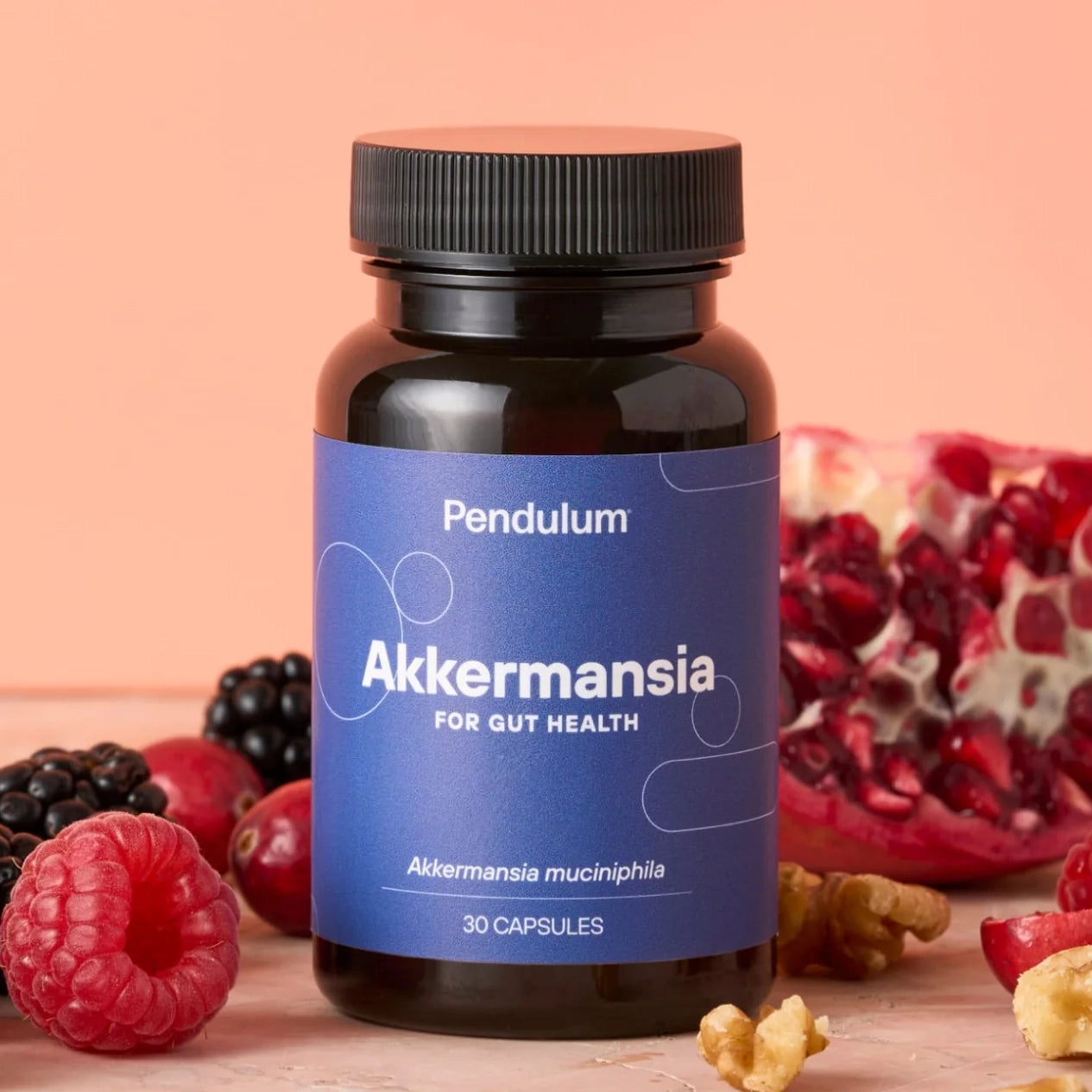
AKKERMANSIA
No reviews
$59.50
$70.00
REPLENISH KEYSTONE STRAIN
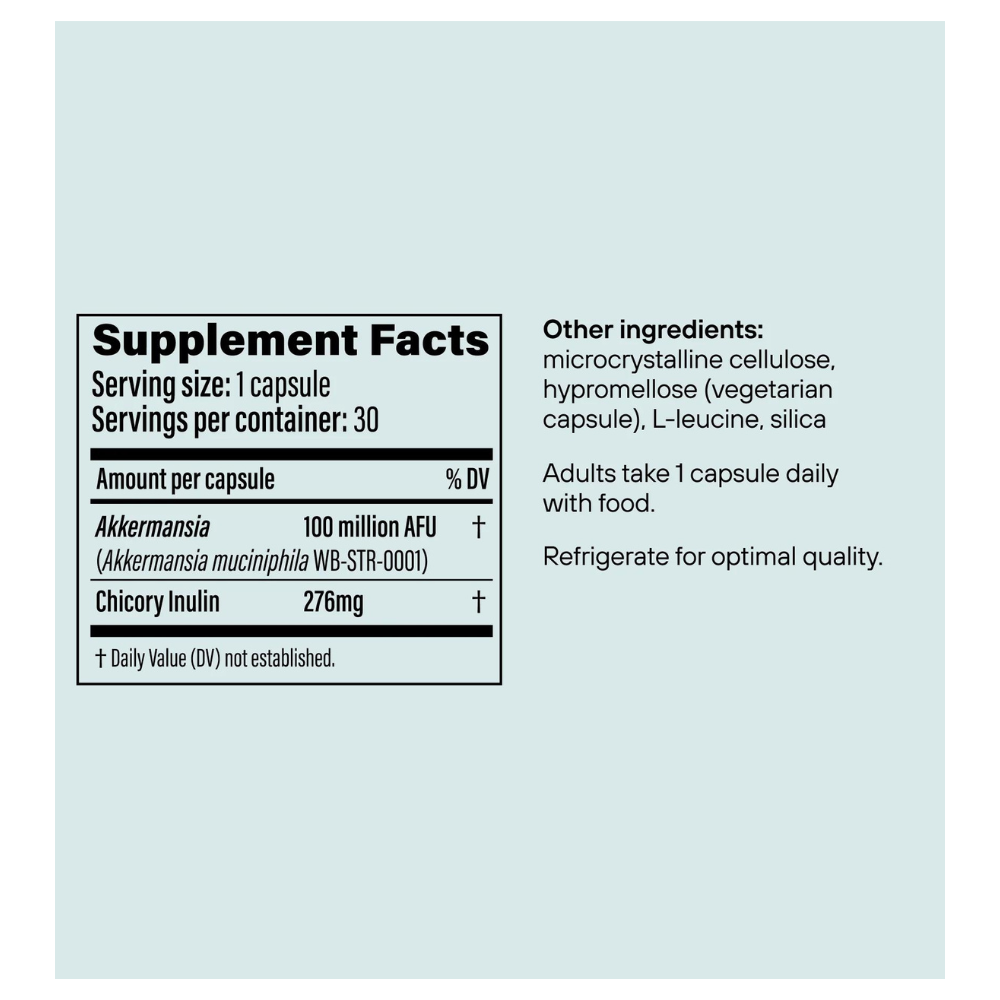
AKKERMANSIA MUCINIPHILA
Includes live Akkermansia – a next generation beneficial strain that is essential for gut health. Now available exclusively from Pendulum as a daily probiotic
Improves gut health
Strengthens gut lining and reduces gut permeability
Increases GLP-1 production
sale

PATHWAY
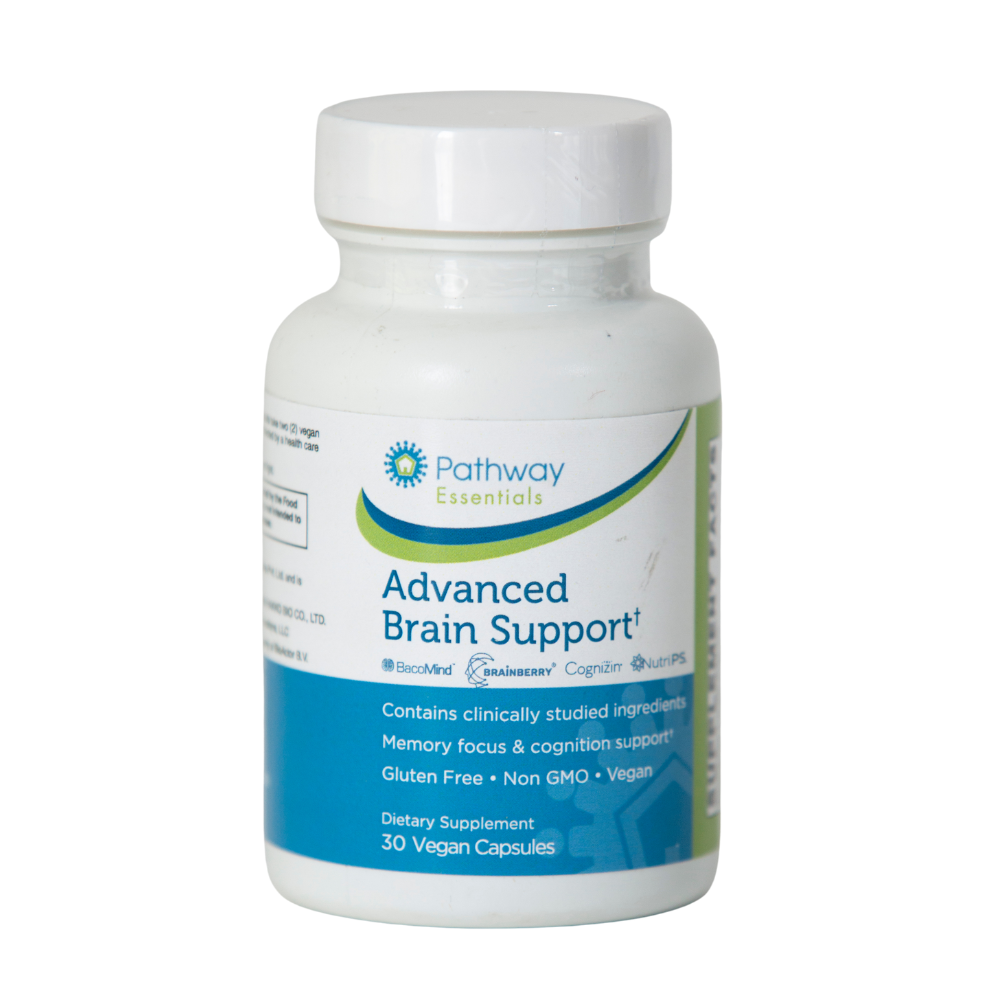
Advanced Brain Support
No reviews
$32.03
$40.04
Rising interest in optimal Brain Performance, Active Aging and Cognitive Health has now passed Immune Support and Bone/Joint Health as the #1 area of consumer interest in natural health and wellness. While age related cognition is still a concern, consumers are now increasingly on optimizing brain function and focus. According to survey data by from SPINS and NBJ, as many as 37% of VMS shoppers are interested in the Brain Support category. Emerging science has triggered explosive growth in individual actives [see: Lion’s Mane and Alpha GPC]. Even high potency Omega 3 and Probiotics have benefited from this new consumer consciousness. We offer a formula with four patented & trademarked ingredients at clinically supported doses that can offer an advanced brain solution for gamers, competitive athletes, working parents, and anyone who seeks better mental processing speed and sharper focus for optimal productivity.
Features
300 mg of BacoMind® Bacopa (Bacopa monnieri) Extract
250 mg Cognizin® Citicoline
125 mg Velvet Bean (Mucuna pruriens) Seed Extract (Standardized to 50% LDOPA[ 50mg])
100 mg NutriPS™ Phosphatidyl Serine (from Sunflower Lecithin)
65 mg Brainberry® Aronia Berry (Aronia melanocarpa)
Contains no sugar, dairy, yeast, gluten, eggs, peanuts, soy, tree nuts, sesame, fish, shellfish, preservatives, artificial colors or flavors
Gluten Free, Non-GMO and Vegan
Benefits
Clinically studied ingredients supporting memory, focus, and cognition. 300 mg of BacoMind® is clinically researched to support cognitive performance with five human efficacy clinical trials — two in elderly populations, two in children, and one safety human study.
Multiple studies suggest that 250 mg of Cognizin® Citicoline would aid brain energy, focus, motor speed, and memory.
Velvet Bean (Mucuna pruriens) Seed Extract (Standardized to 50% L-DOPA [50mg]) supports healthy mood and mental alertness, as well as stimulating the secretion of Human Growth Hormone (HGH), promoting a sense of well-being.
NutriPS™ Phosphatidyl Serine is a highly researched ingredient, clinically studied to improve cognition, relieve daily stress, and have benefits for skin and muscle health. It is a unique compound for body and mind.
Brainberry® was tested in a 12-weeks double-blind placebo-controlled trial in 101 subjects. After 12 weeks, concentration increased by 43% in the non-placebo group who consumed 65mg of Brainberry®.
sale

PATHWAY
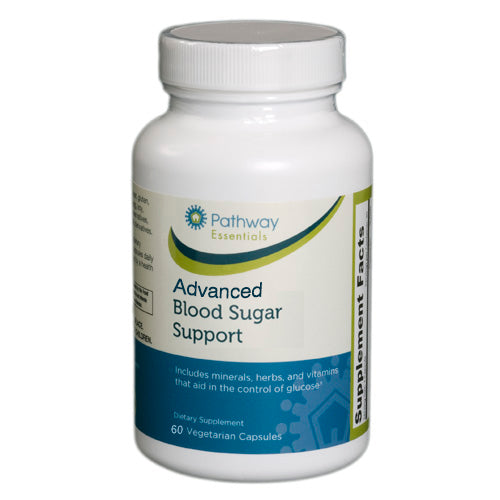
Advanced Blood Sugar Support
No reviews
$37.44
$46.80
About 4 in 10 Americans experience the effects of poor sugar control [i.e.: hyperglycemia, hypoglycemia, insulin resistance, overweight, uncontrolled cravings for sugar, starch or alcohol, etc.]. Low energy, unstable mood, weight gain, poor focus, and reduced concentration are just some of the early indicators of this plethora of sugar-induced issues. Cardiovascular disease, non-alcoholic fatty liver disease, high triglycerides, nerve issues, infections, and inflammation are just some of the long-term health effects associated with poor regulation of blood sugar. The good news is industry data shows increased consumer interest in natural ‘glucose control’, and the explosive growth in the sales of products like berberine demonstrates this preference for an effective natural solution. Advanced Blood Sugar Support provides a better solution at greater value than the top national brands.†Features
500 mg Chromax Chromium (as Chromium Picolinate)
500 mg Berberine HCl (from Berberis aristata)
300 mg Alpha Lipoic Acid
250 mg CinSulin Cinnamon (Cinnamomum cassia)
Contains no sugar, dairy, yeast, gluten, eggs, peanuts, soy, tree nuts, sesame, fish, shellfish, preservatives, artificial colors or flavors
Gluten Free, Non-GMO and Vegan
Benefits
Clinically studied ingredients for normal blood sugar balance and antioxidant protection
Chromax Chromium Picolinate is a highly bioavailable form of chromium supported by 35 human clinical studies affirming its benefits for glucose metabolism, insulin function, energy support, weight management, body composition, appetite control, cognitive health, and more. The superiority of Chromax over other forms of chromium can be seen in its stable chemical structure and superior absorption profile.
500 mg of Berberine HCl provides blood sugar & cardiovascular support. Studies have shown Berberine’s effectiveness in activating the enzyme adenosine monophosphate-activated protein kinase (AMPK), which supports fasting glucose levels, while also helping to reduce insulin resistance.
Studies show Alpha Lipoic Acid is essential for supporting normal, healthy blood sugar levels and healthy insulin function.
Alpha Lipoic Acid has been shown in numerous studies to help support normal, healthy nerve function.
CinSulin, a water extract of cinnamon, has been studied in six human clinical trials and a meta-analysis to prove its effectiveness and safety.
sale

PATHWAY
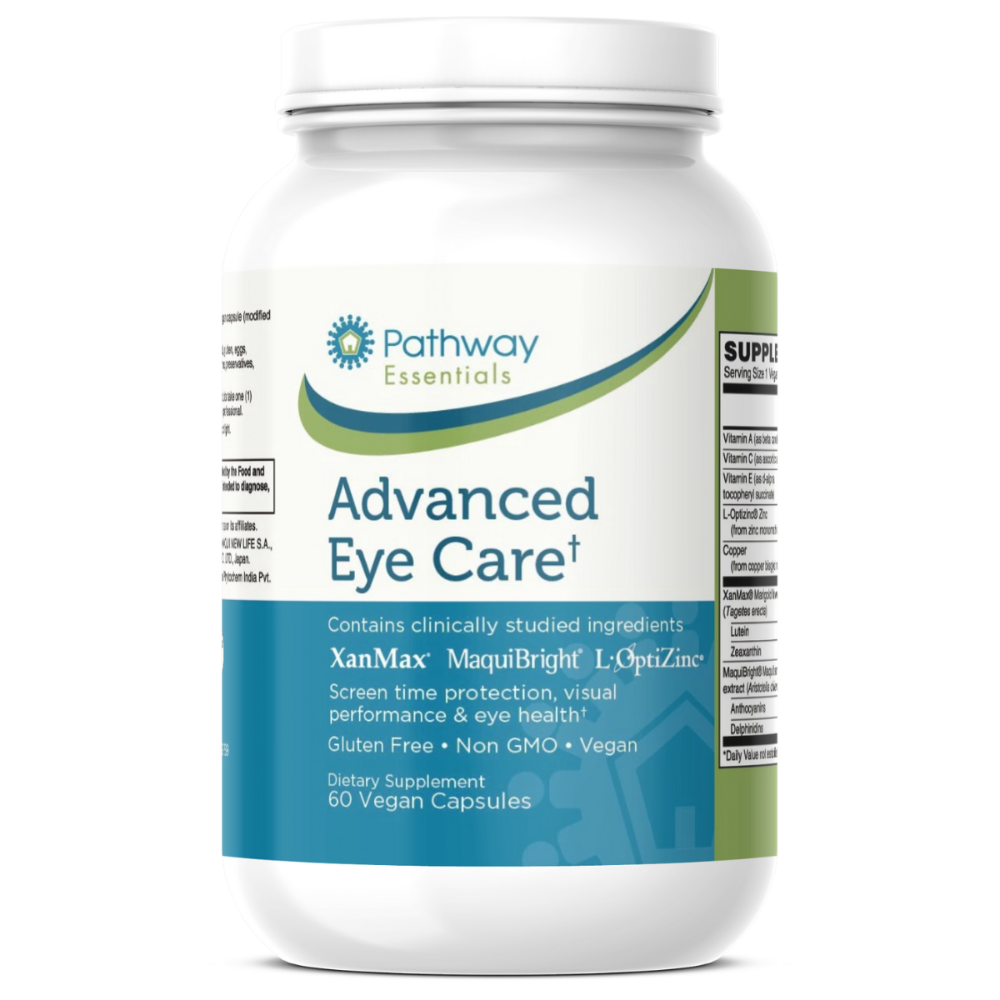
Advanced Eye Care
No reviews
$58.86
$73.58
According to the NCCIH (Clinical Digest for Health Professionals), “Many people turn to dietary supplements to prevent or slow the progression of certain eye diseases, such as cataract, age-related macular degeneration (AMD), glaucoma, and diabetic retinopathy. There is evidence that a combination of vitamins E and C, beta-carotene, and zinc may reduce the risk of developing advanced AMD. There is also some limited evidence that for under-nourished populations, the carotenoids lutein/zeaxanthin may be associated with a reduction in progression to cataract surgery.” Studies have also shown that people with increased use of display screens have a higher risk of developing age-related eye conditions. The concern has to do with increased exposure to blue light, a potentially damaging type of light emitted from electronic devices. Advanced Eye Care is an all-in-one solution with clinically-studied ingredients shown to help protect eye health and support vision on multiple levels.
Features:
5000 mcg Vitamin A (as beta carotene)
200 mg XanMax Marigold flower extract (Tagetes erecta) (standardized to 20% [40 mg] lutein and 1% [2 mg] zeaxanthin)
90 mg Vitamin C
60 mg MaquiBright Maqui berry fruit extract (Aristotelia chilensis) (standardized to 35% [21 mg] anthocyanins and 25% [15 mg] delphinidins)
15 mg L-OptiZinc Zinc (from zinc monomethionine)
15 mg of Vitamin E
1 mg of Copper
Contains no sugar, salt, dairy, yeast, wheat, gluten, eggs, peanuts, soy, tree nuts, fish, shellfish, sesame, preservatives, artificial colors or flavors
Gluten Free, Non-GMO and Vegan
Benefits:
Clinically studied ingredients for blue light protection, visual performance & eye health.
Helps protect the eyes from free radical damage and to support healthy circulation in the eye.
MaquiBright is shown to protect eye health, increase tear production and improves ocular humidity.
XanMax supports eye health, healthy vision, night vision, contrast sensitivity, focus, fatigue, improved visual performance with prolonged screen time and provides antioxidant protection.
A clinical study with XanMax demonstrated a statistically significant increase of 40% in pigmentation and show efficient uptake in the blood for up to 24 hours.
Vitamins E, C, beta-carotene, and zinc have, in combination, with Lutein and Zeaxanthin, may help reduce the risk of the progression of age-related issues of the eye.
Suggested Use:
As a dietary supplement, adults take one (1) capsule daily, or as directed by health care professional.
Store in a cool, dry place and away from direct light.
KEEP OUT OF REACH OF CHILDREN.
sale

PATHWAY
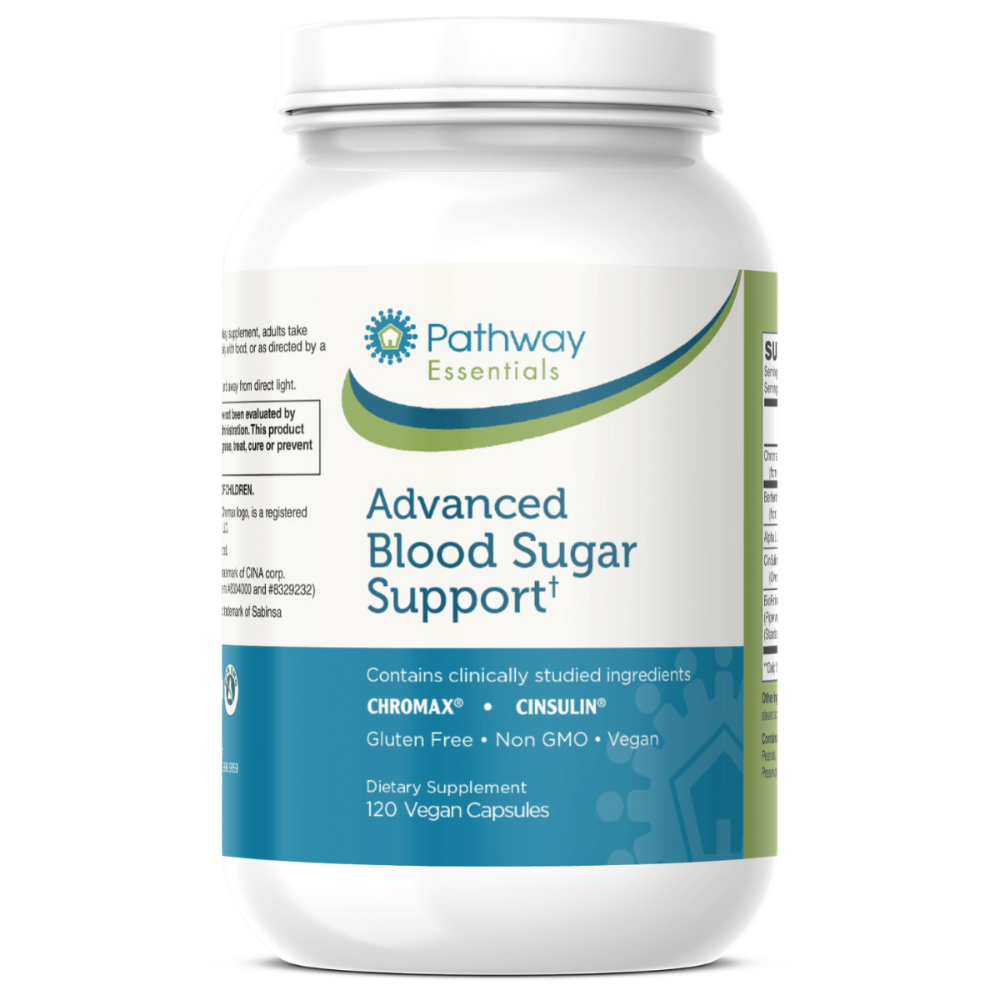
Advanced Blood Sugar Support
No reviews
$62.30
$77.87
Clinically studied ingredients for normal blood sugar balance and antioxidant protection.
About 4 in 10 Americans experience the effects of poor sugar control [i.e.: hyperglycemia, hypoglycemia, insulin resistance, overweight, uncontrolled cravings for sugar, starch or alcohol, etc.]. Low energy, unstable mood, weight gain, poor focus, and reduced concentration are just some of the early indicators of this plethora of sugar-induced issues. Cardiovascular disease, non-alcoholic fatty liver disease, high triglycerides, nerve issues, infections, and inflammation are just some of the long-term health effects associated with poor regulation of blood sugar. The good news is industry data shows increased consumer interest in natural ‘glucose control’, and the explosive growth in the sales of products like berberine demonstrates this preference for an effective natural solution. Advanced Blood Sugar Support provides a better solution at greater value than the top national brands.
Features:
500 mg Chromax Chromium (as Chromium Picolinate)
500 mg Berberine HCl (from Berberis aristata)
300 mg Alpha Lipoic Acid
250 mg CinSulin Cinnamon (Cinnamomum burmannii)
5 mg Black Pepper Extract (BioPerine) (standardized to 95% piperine [4.75 mg])
Contains no sugar, dairy, yeast, gluten, eggs, peanuts, soy, tree nuts, sesame, fish, shellfish, preservatives, artificial colors or flavors
Gluten Free, Non-GMO and Vegan
Benefits:
Clinically studied ingredients for normal blood sugar balance and antioxidant protection
Chromax Chromium Picolinate is a highly bioavailable form of chromium supported by 35 human clinical studies affirming its benefits for glucose metabolism, insulin function, energy support, weight management, body composition, appetite control, cognitive health, and more. The superiority of Chromax over other forms of chromium can be seen in its stable chemical structure and superior absorption profile.
500 mg of Berberine HCl provides blood sugar & cardiovascular support. Studies have shown Berberine’s effectiveness in activating the enzyme adenosine monophosphate-activated protein kinase (AMPK), which supports fasting glucose levels, while also helping to reduce insulin resistance.
Studies show Alpha Lipoic Acid is essential for supporting normal, healthy blood sugar levels and healthy insulin function.
Alpha Lipoic Acid has been shown in numerous studies to help support normal, healthy nerve function.
CinSulin, a water extract of cinnamon, has been studied in six human clinical trials and a meta-analysis to prove its effectiveness and safety. These results have been published or presented in peer-reviewed journals and at scientific meetings.
BioPerine may be co-administered for improved absorption.
Suggested Use:
As a dietary supplement, adults take two (2) vegan capsules daily with food, or as directed by a health care professional.
Storage Instructions:
Store in a cool, dry place and away from direct light.
Warning:
KEEP OUT OF REACH OF CHILDREN.
sale

PATHWAY
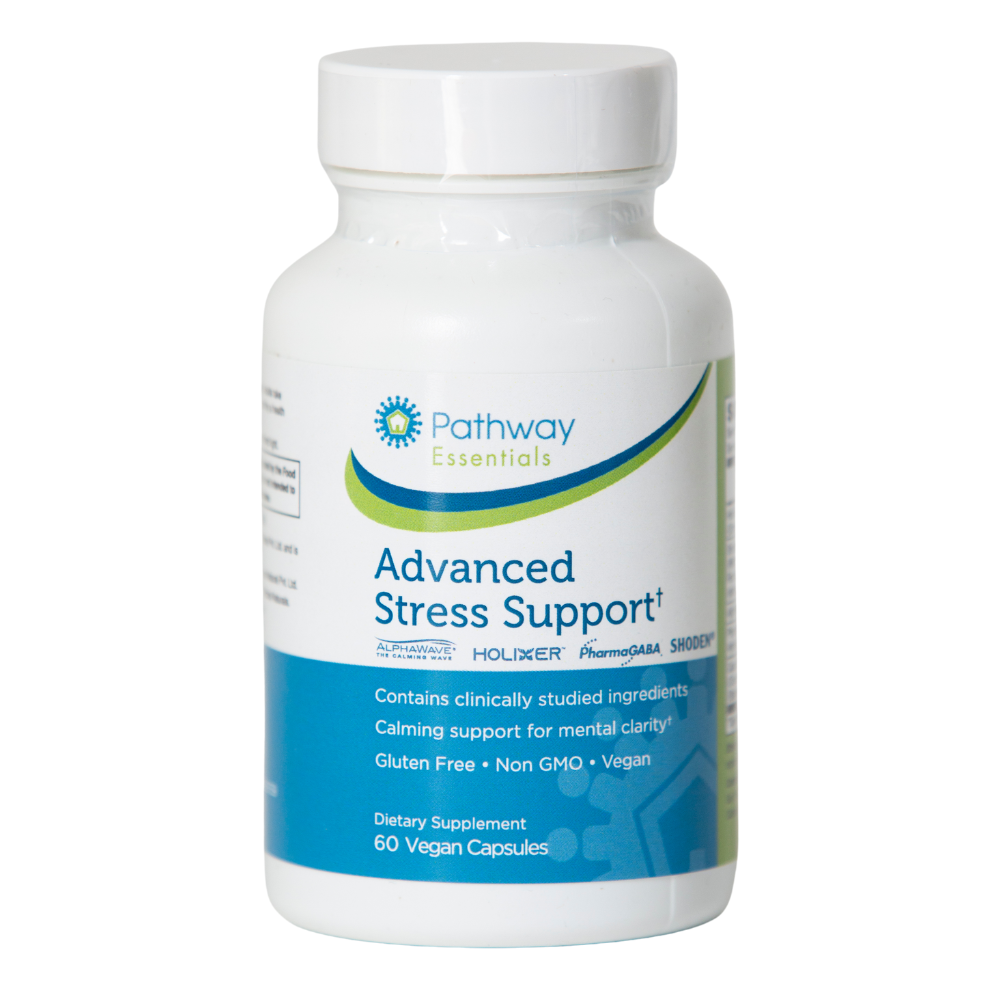
Advanced Stress Support
1 review
$37.44
$46.80
According to the American Institute of Stress, Americans are one of the most stressed out people groups in the world, with a stress level 20 percentage points higher than the global average. It is estimated that 55% of Americans are stressed during the day and 57% of US respondents indicated their stress is paralyzing. Chronic stress is commonplace at work with 94% of workers reporting feeling stress and 63% of US workers are ready to quit their job to avoid work-related stress. Trends and research indicate that consumers prefer natural solutions for mental challenges, as opposed to synthetic drugs. This preference is stronger when the goal is to treat psychological rather than physical conditions. For your consumers looking for natural options, Advanced Stress Support offers a better solution than top national brands.
Features:
250 mg Holixer Holy Basil (Ocimum tenuiflorum) Extract
120 mg Shoden Ashwagandha (Withania somnifera) Root Extract (standardized to 35% [42mg] total withanolides)
100 mg AlphaWave L-Theanine
100 mg PharmaGABA Gamma Amino Butyric Aid
100 mg Cacao Seed (Cocoa theobroma) Extract (Standardized to 10% [10mg] Theobromine)
Contains no sugar, dairy, yeast, gluten, eggs, peanuts, soy, tree nuts, sesame, fish, shellfish, preservatives, artificial colors or flavors
Gluten Free, Non-GMO and Vegan
Benefits:
Clinically proven ingredients provide calming support for mental clarity.
Holixer Holy Basil [or, Tulsi] is an adaptogen, helping the body to physiologically attain healthful balance. It is clinically studied to support healthier cortisol levels, reduced irritability, promote calmness without drowsiness, support improved response to acute stress, and promote better sleep latency.
Shoden Ashwagandha, trademarked as the ‘World’s Most Bioactive Ashwagandha’, delivers 7X the concentration of withanolides as KSM-66, giving high bioavailability at a lower dose. [120mg Shoden is 2.8X more potent than 300mg of KSM-66]. Clinical data supports Shoden for stress, energy, sleep, vitality, and cognitive function/focus.
AlphaWave supports healthy relaxation without drowsiness, may help reduce nervous tension, supports significant brain alpha-wave activity, limits the stimulatory effects of caffeine and adrenaline, and helps reduce the psychological and physiological responses elicited by daily stress.
PharmaGABA helps people to cope with the stress. A recent human clinical study using PharmaGABA reduced perceived stress level by more than half.
Certain studies suggest that consuming theobromine from chocolate may provide positive feelings, boost blood flow and have a mood-enhancing effect.
sale
PATHWAY
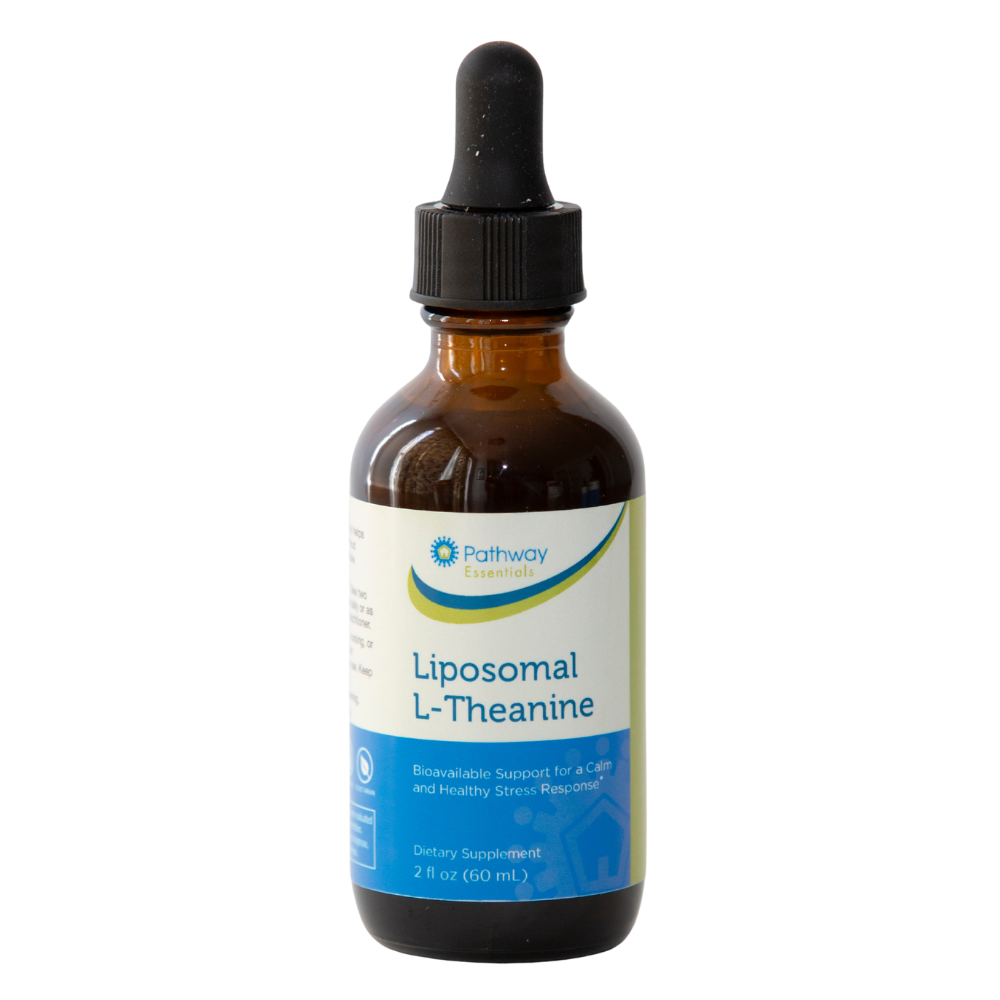
Liposomal L-Theanine
No reviews
$36.79
$45.99
Liposomal L-Theanine delivers targeted nutrients to precise areas of the body to help ease stress. Many stress-relief and calming aids come with the unpleasant side effect of drowsiness. L-Theanine can be used during the day or at night to promote a calm and relaxed feeling.
Liposomal L-Theanine is an easy-to-take, great-tasting supplement that helps ease stress using a bioavailable liposomal technology to deliver targeted nutrients.
Additional benefits include:
Supports cognitive function
Supports mental focus
Promotes feelings of calmness
Promotes relaxation
Recommendations :Shake well. Take two full droppers (2 mL) 1-2 times daily or as directed by your healthcare practitioner.
sale

PATHWAY
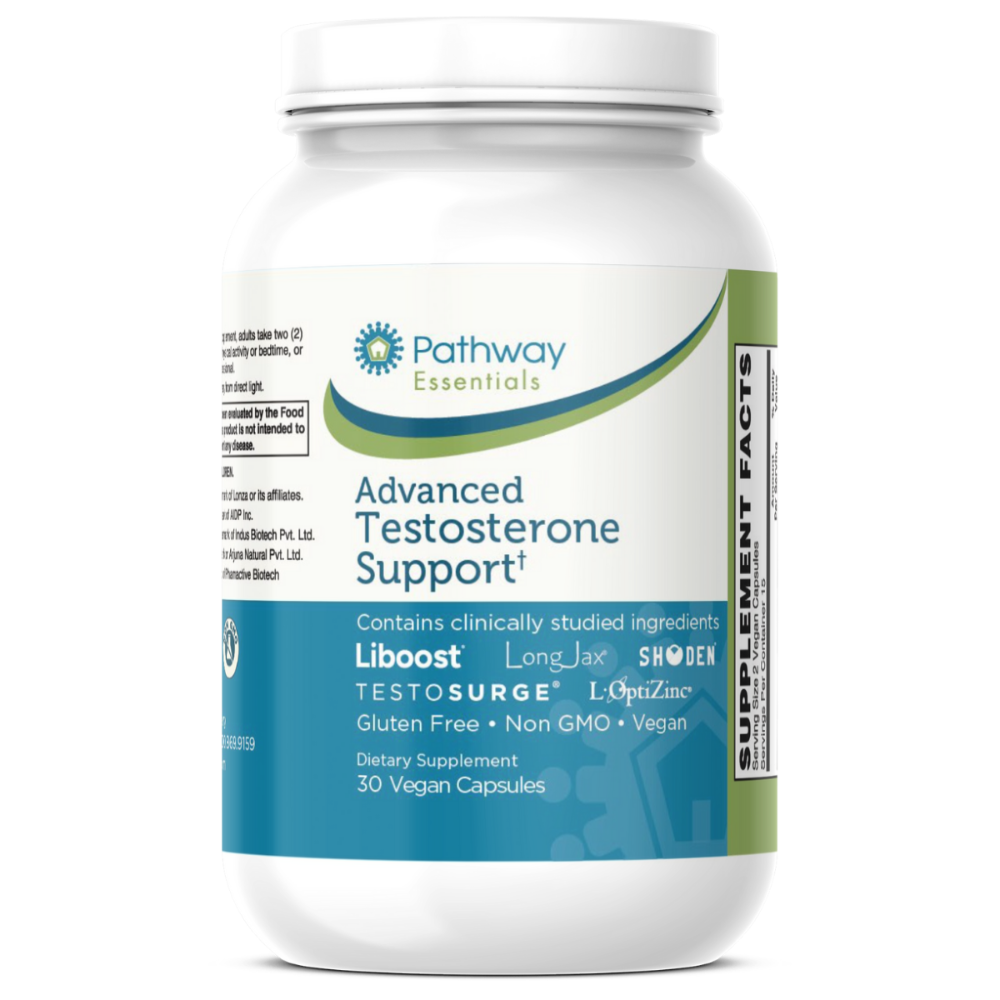
Advanced Testosterone Support
No reviews
$32.03
$40.04
Testosterone levels are at their highest during adolescence and early adulthood. As men get older, testosterone levels may decline by about 1% per year after age 30. In women, testosterone levels will decline after menopause, or between 45 and 55 years of age. Low testosterone levels can cause changes in sexual function, including: a reduced libido, fewer spontaneous erections, impotence and infertility. It can also contribute to changes in sleep patterns, difficulty concentrating, lack of motivation, reduced muscle bulk and strength, decreased bone density, large breasts in men, depression and fatigue. Advanced Testosterone Support provides clinically studied ingredients shown to support both free and total testosterone.
Features:
500 mg Testosurge Fenugreek seed extract (Trigonella foenum-graecum) (standardized to 80% [400 mg] Glycosides)
200 mg LongJax Longjack root extract (Eurycoma longifolia)
120 mg Shoden Ashwagandha (Withania somnifera) root extract (standardized to 35% [42 mg] total withanolides)
100 mg Liboost Damiana leaf extract (Turnera diffusa) (standardized to 1.5% [1.5 mg] flavonoids)
15 mg L-OptiZinc Zinc (from zinc monomethionine)
3 mg Boron Chelate
Contains no sugar, salt, dairy, yeast, wheat, gluten, eggs, peanuts, soy, tree nuts, fish, shellfish, sesame, preservatives, artificial colors or flavors
Gluten Free, Non-GMO and Vegan
Benefits:
Clinically studied ingredients support free and total testosterone.
500 mg of Testosurge supplementation significantly impacted body fat percentage, total testosterone and bioavailable testosterone when compared to a placebo in a double-blind fashion. These changes were attained without any clinical side effects.
Multiple studies suggest that 200 mg LongJax [a/k/a Tongkat Ali] may increase libido, enhance sexual function, increase free testosterone and reduce cortisol.
In a 2019 study Shoden was associated with significant improvements in salivary DHEA-S and testosterone in men aged between 40 and 70 years. A more recent study found that Shoden reduced morning serum cortisol by 67%, 35x more than the placebo group. Testosterone increased by 33%, whereas the male placebo group only had a only a 4% increase.
Use of Liboost showed a 40% improvement in erectile function in a study that included both men and women in just 4 weeks, per IIEF Index of Erectile Function. The mechanisms of action were increased Nitric Oxide, inhibition of PDE-5 activity and lower Testosterone degradation.
Zinc has been shown to maintain optimal testosterone levels, which in turn may be beneficial in suppressing inflammation and preserving penile endothelial function; hence, promoting erectile function and male sexual activity.
Boron, the ‘T’ liberator, increases the metabolism of the total testosterone in your body to free testosterone, which is used for many sex-related functions.
sale
PATHWAY
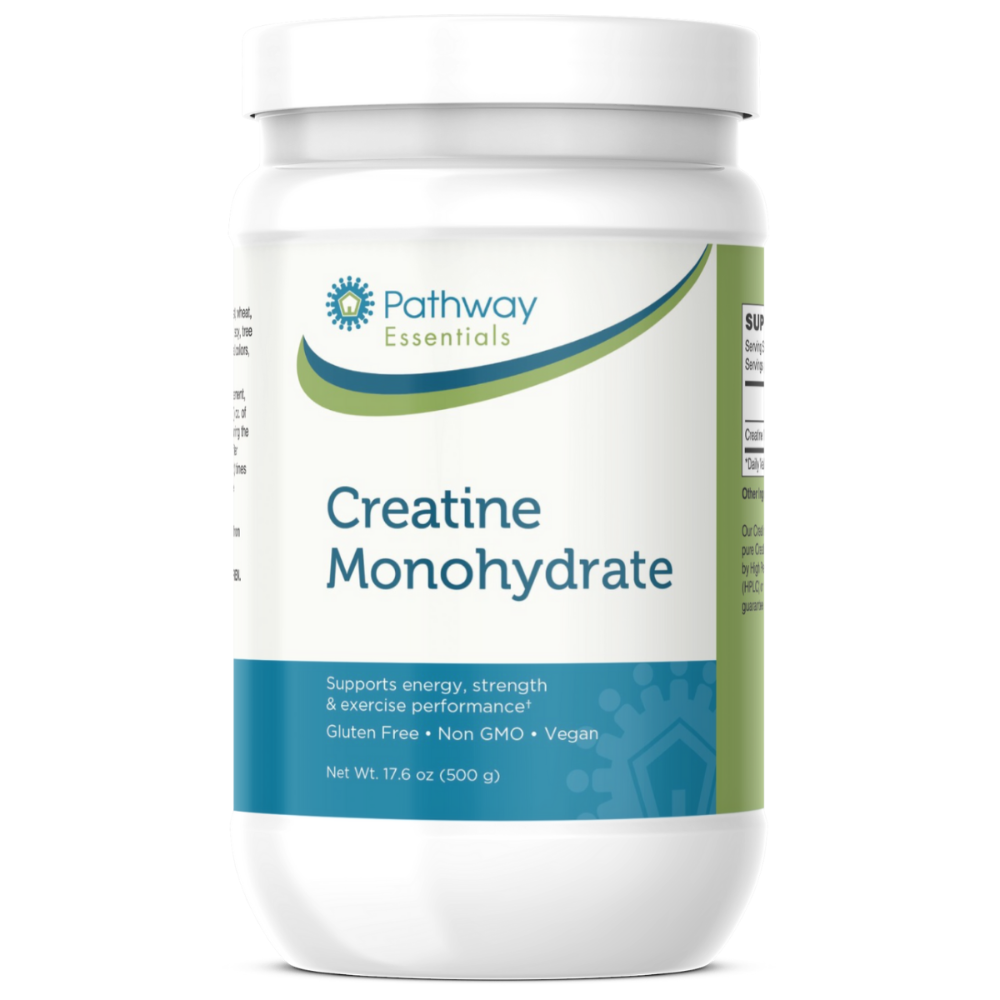
Creatine Monohydrate
No reviews
$44.93
$56.16
Small amounts of creatine can be manufactured by the body, mainly in the liver and kidneys. This creatine is then transported through the blood to skeletal muscle, which requires it for peak performance. Unfortunately, the amount of creatine shown in clinical research studies to help support and improve exercise performance, muscle protein synthesis, and related functions is much greater than what the body can produce and what we consume in our diets. This is where supplemental creatine as creatine monohydrate comes in. Several grams of supplemental creatine monohydrate can provide significant support to working muscles and has been shown to increase performance, strength, and muscle mass. Most of the research on creatine has used high quality, pharmaceutical grade creatine monohydrate. Our creatine monohydrate is manufactured by a recognized world leader in creatine research, development, and manufacturing. We offer this brand of creatine as it is the one most commonly used in research studies and has been proven effective in athletes and also in those individuals who are just looking for that “edge” that will help them achieve their fitness and athletic goals.
Features:
The purest pharmaceutical grade creatine monohydrate manufactured according to the most stringent standards in the industry.
Consistently tested and shown to be free of creatinine, dicyandiamide, and dihydrotriazine, impurities typically found in poor quality creatine products.Manufactured via a patented process that provides the highest quality finished product; one that has been used in more research studies than any other creatine in the world.
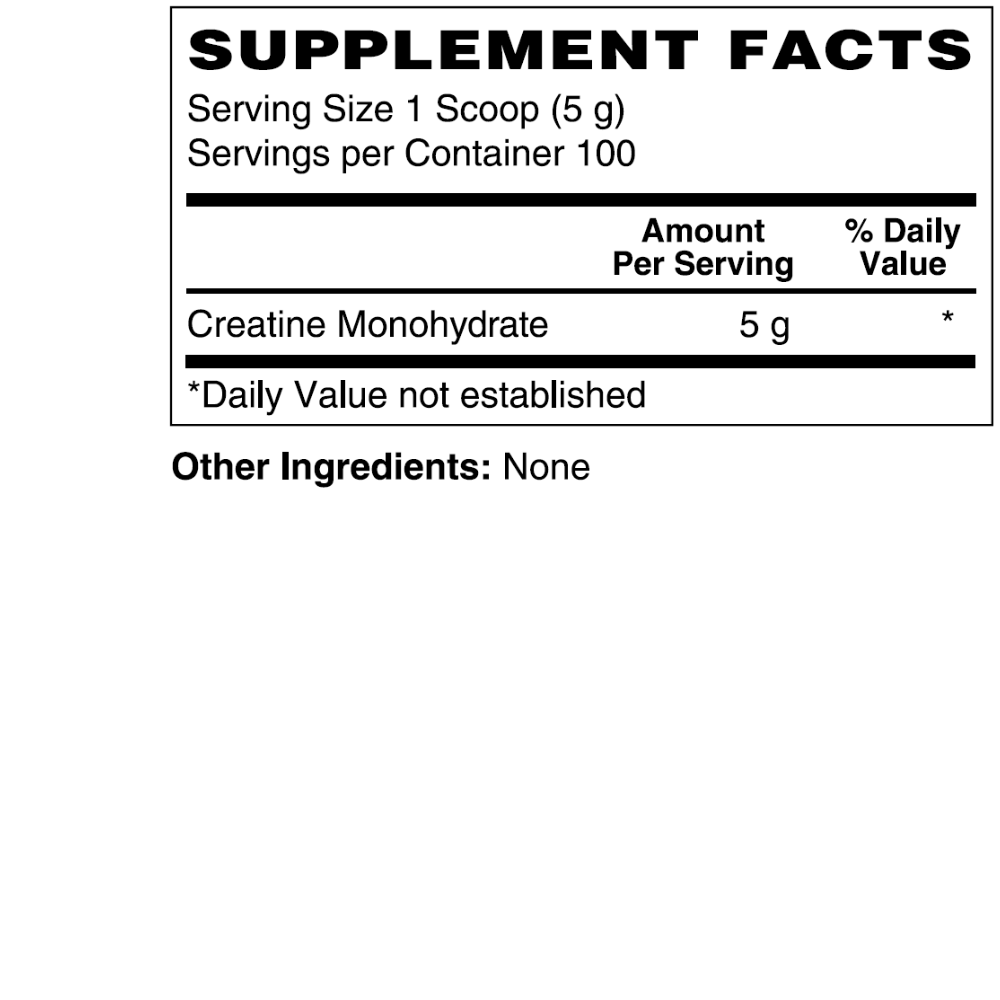
Provides 5 grams of pure creatine monohydrate per serving (teaspoon).
Benefits:
Creatine monohydrate serves as a source of phosphate groups. This enables the body’s main energy source (ATP) to be maintained at optimal levels.
Optimal levels of ATP, particularly in muscle tissue helps support and enhance performance, and muscle “stamina”.
Scientific research has verified that creatine increases muscle strength, lean body mass, and muscle energy while accelerating energy recovery during intense exercise.
Studies show creatine monohydrate may help reduce muscle fatigue by reducing the buildup of lactic acid in muscle tissue following activities, exercises, etc. that require short bursts of maximum energy.
Helps support more intense training which further improves strength and muscle growth by delaying muscle fatigue. (Creatine regenerates ATP-energy to increase muscle working time in anaerobic activity).
Suggested Use:
As a dietary supplement, adults take one (1) scoop in eight (8) oz. of water or juice, four (4) times daily during the first five (5) days (loading phase).
After loading phase, take one (1) or two (2) times daily, or as directed by a health care professional.
Storage Instructions:
Store in a cool, dry place
Keep away from direct light
KEEP OUT OF REACH OF CHILDREN.
sale
PATHWAY
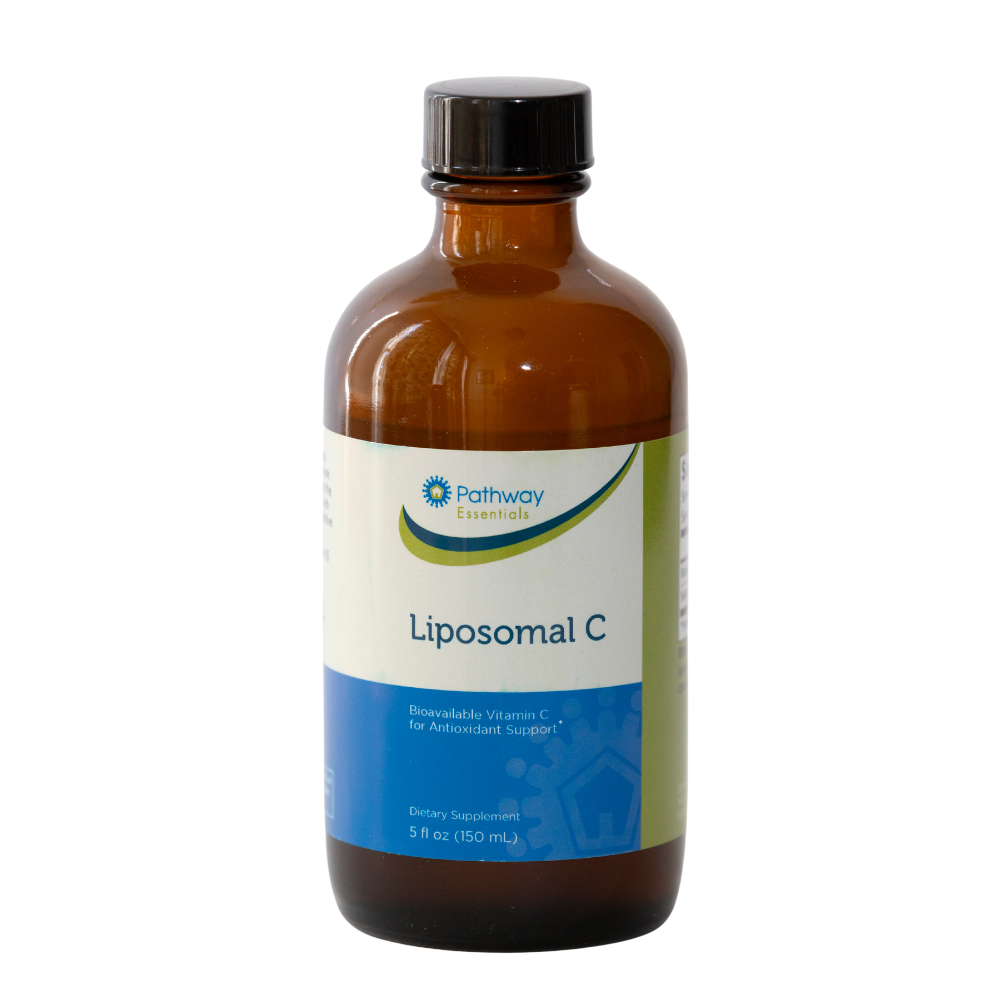
Liposomal C
No reviews
$34.39
$42.99
Vitamin C plays numerous roles in our body but it primarily acts as an antioxidant, an electron donor that neutralizes free radicals and promotes healthy oxidative stress response. This, in turn, supports healthy cellular energy production which has a ripple effect on multiple systems within the body.
The liposomal technology used to formulate Liposomal C gives it superior bioavailability and makes it easier than ever to obtain this critical antioxidant. In traditional forms of supplemental vitamin C, bioavailability is limited by how much the intestines and kidneys can absorb. Liposomal C goes straight into the bloodstream where it can quickly and effectively be absorbed.
Additional benefits include:
Supporting healthy oxidative stress response
Promoting healthy immune function
Promoting healthy nervous system function
Supporting collagen synthesis
Promoting healthy cognitive function
Supporting neuronal integrity
Supporting healthy cortisol balance
Recommendations:Shake well. Take one teaspoon (5 mL) daily or as directed by your healthcare practitioner.
sale

PATHWAY
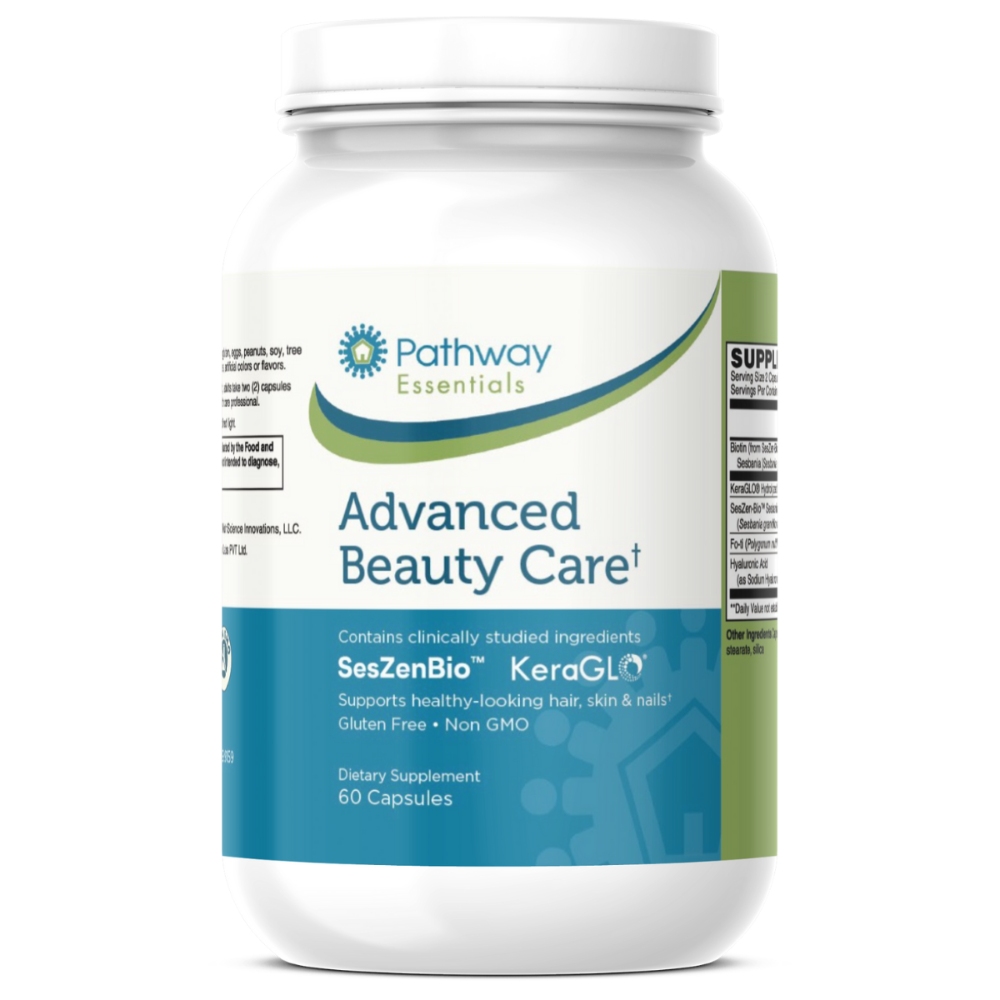
Advanced Beauty Care
1 review
$35.26
$44.07
Micronutrient deficiencies can significantly impact hair health, leading to issues such as thinning and hair loss—a concern that affects women just as much as men. While hair loss is often associated with men, studies reveal that over 50% of women will experience noticeable hair loss at some point in their lives. Even without substantial loss, women naturally shed between 50 and 150 hairs daily. Hair health is a vital part of women’s overall beauty routine, alongside concerns like wrinkles and nail care, with 46% of women worrying about aging signs and 85–90% worldwide using nail care products. Addressing these concerns with targeted solutions not only empowers women to maintain their confidence and well-being but also meets a significant and growing demand from customers seeking effective health and beauty products.
Features:
500 mg SesZen-Bio, delivering 2500mcg of totally natural, bio-available biotin
500 mg KeraGLO Hydrolyzed Keratin [92% free amino; 8% dipeptides and tripeptides]
100 mg of Fo-Ti [Polygonum Multiflorum] 12:1 Concentration
100 mcg Hyaluronic Acid (Vegetable source)
Contains no sugar, salt, dairy, yeast, wheat, gluten, eggs, peanuts, soy, tree nuts, fish, shellfish, sesame, preservatives, artificial colors or flavors
Gluten Free, Non-GMO and Vegan
Benefits:
Clinically-studied ingredients support healthy-looking hair, skin & nails.
A clinical study with SesZen-Bio showed an improvement in hair density, hair thickness and ferritin in 8 weeks of usage, suggesting it stimulates the keratin production which resulted in improved follicle growth.
Plant-based, whole food SesZen-Bio is believed to be twice as effective synthetic biotin in therapeutic efficacy due to its efficiency to interact with five receptors compared to synthetic biotin, which binds to one.
Suggested Use:
As a dietary supplement, adults take two (2) capsules daily with a meal, or as directed by a health care professional.
Storage Instructions:
Store in a cool, dry place
Keep away from direct light
KEEP OUT OF REACH OF CHILDREN.
sale

PATHWAY
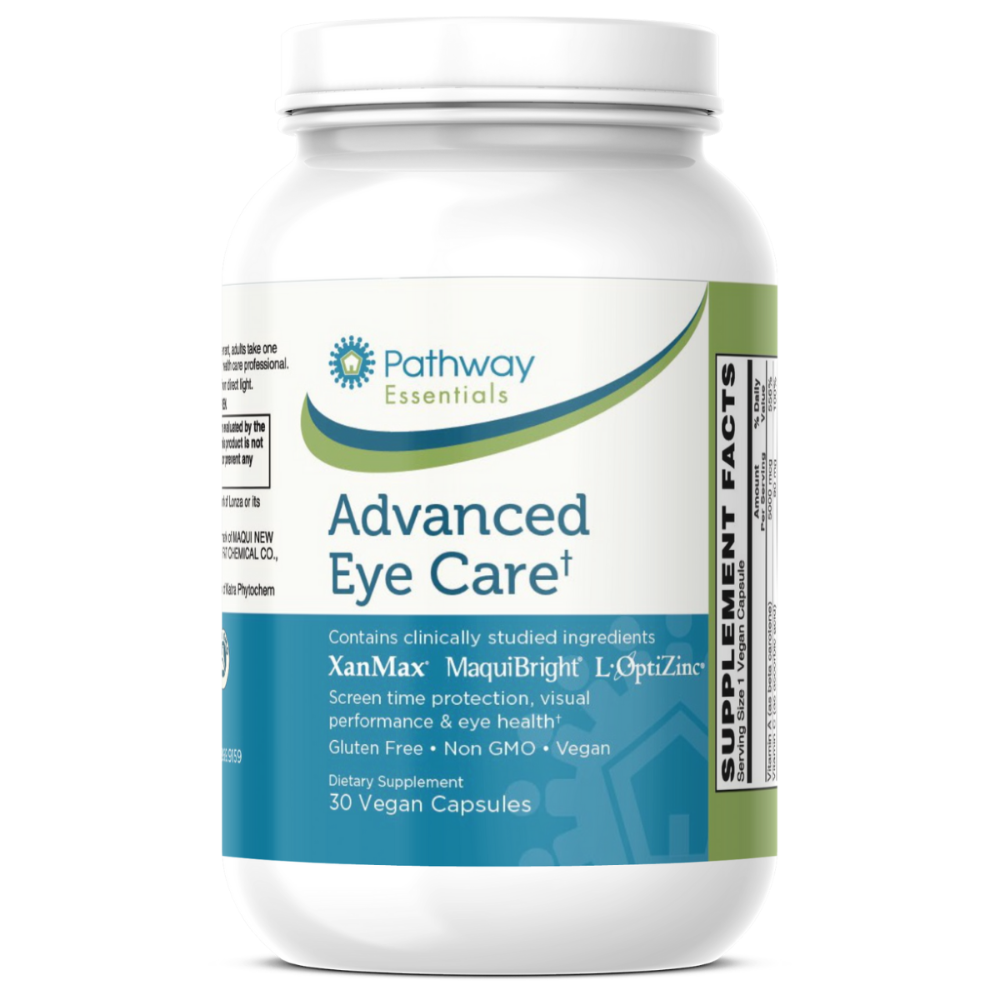
Advanced Eye Care
1 review
$32.03
$40.04
According to the NCCIH (Clinical Digest for Health Professionals), “Many people turn to dietary supplements to prevent or slow the progression of certain eye diseases, such as cataract, age-related macular degeneration (AMD), glaucoma, and diabetic retinopathy. There is evidence that a combination of vitamins E and C, beta-carotene, and zinc may reduce the risk of developing advanced AMD. There is also some limited evidence that for under-nourished populations, the carotenoids lutein/zeaxanthin may be associated with a reduction in progression to cataract surgery.” Studies have also shown that people with increased use of display screens have a higher risk of developing age-related eye conditions. The concern has to do with increased exposure to blue light, a potentially damaging type of light emitted from electronic devices. Advanced Eye Care is an all-in-one solution with clinically-studied ingredients shown to help protect eye health and support vision on multiple levels.
Features:
5000 mcg Vitamin A (as beta carotene)
200 mg XanMax Marigold flower extract (Tagetes erecta) (standardized to 20% [40 mg] lutein and 1% [2 mg] zeaxanthin)
90 mg Vitamin C
60 mg MaquiBright Maqui berry fruit extract (Aristotelia chilensis) (standardized to 35% [21 mg] anthocyanins and 25% [15 mg] delphinidins)
15 mg L-OptiZinc Zinc (from zinc monomethionine)
15 mg of Vitamin E
1 mg of Copper
Contains no sugar, salt, dairy, yeast, wheat, gluten, eggs, peanuts, soy, tree nuts, fish, shellfish, sesame, preservatives, artificial colors or flavors
Gluten Free, Non-GMO and Vegan
Benefits:
Clinically studied ingredients for blue light protection, visual performance & eye health.
Helps protect the eyes from free radical damage and to support healthy circulation in the eye.
MaquiBright is shown to protect eye health, increase tear production and improves ocular humidity.
XanMax supports eye health, healthy vision, night vision, contrast sensitivity, focus, fatigue, improved visual performance with prolonged screen time and provides antioxidant protection.
A clinical study with XanMax demonstrated a statistically significant increase of 40% in pigmentation and show efficient uptake in the blood for up to 24 hours.
Vitamins E, C, beta-carotene, and zinc have, in combination, with Lutein and Zeaxanthin, may help reduce the risk of the progression of age-related issues of the eye.
Suggested Use:
As a dietary supplement, adults take one (1) capsule daily, or as directed by health care professional.
Store in a cool, dry place and away from direct light.
KEEP OUT OF REACH OF CHILDREN.
sale

PATHWAY
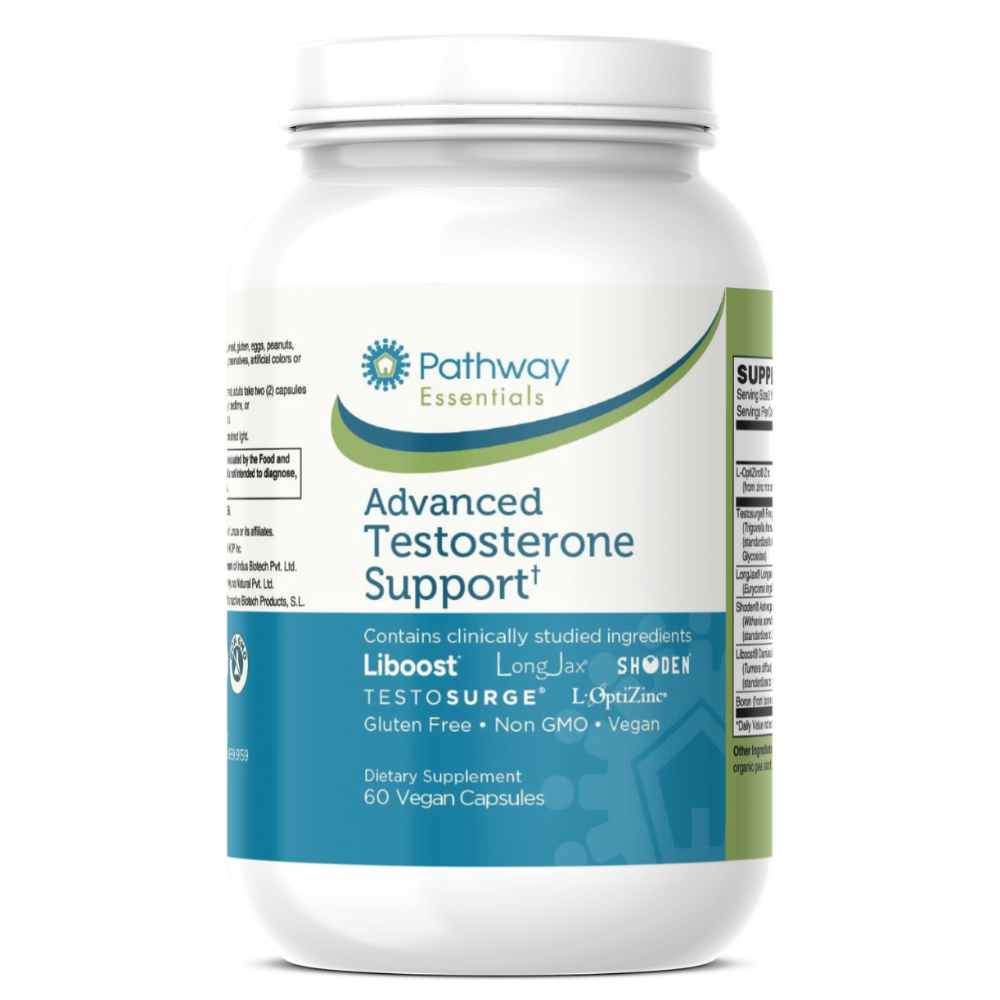
Advanced Testosterone Support
No reviews
$58.86
$73.58
Testosterone levels are at their highest during adolescence and early adulthood. As men get older, testosterone levels may decline by about 1% per year after age 30. In women, testosterone levels will decline after menopause, or between 45 and 55 years of age. Low testosterone levels can cause changes in sexual function, including: a reduced libido, fewer spontaneous erections, impotence and infertility. It can also contribute to changes in sleep patterns, difficulty concentrating, lack of motivation, reduced muscle bulk and strength, decreased bone density, large breasts in men, depression and fatigue. Advanced Testosterone Support provides clinically studied ingredients shown to support both free and total testosterone.
Features:
500 mg Testosurge Fenugreek seed extract (Trigonella foenum-graecum) (standardized to 80% [400 mg] Glycosides)
200 mg LongJax Longjack root extract (Eurycoma longifolia)
120 mg Shoden Ashwagandha (Withania somnifera) root extract (standardized to 35% [42 mg] total withanolides)
100 mg Liboost Damiana leaf extract (Turnera diffusa) (standardized to 1.5% [1.5 mg] flavonoids)
15 mg L-OptiZinc Zinc (from zinc monomethionine)
3 mg Boron Chelate
Contains no sugar, salt, dairy, yeast, wheat, gluten, eggs, peanuts, soy, tree nuts, fish, shellfish, sesame, preservatives, artificial colors or flavors
Gluten Free, Non-GMO and Vegan
Benefits:
Clinically studied ingredients support free and total testosterone.
500 mg of Testosurge supplementation significantly impacted body fat percentage, total testosterone and bioavailable testosterone when compared to a placebo in a double-blind fashion. These changes were attained without any clinical side effects.
Multiple studies suggest that 200 mg LongJax [a/k/a Tongkat Ali] may increase libido, enhance sexual function, increase free testosterone and reduce cortisol.
In a 2019 study Shoden was associated with significant improvements in salivary DHEA-S and testosterone in men aged between 40 and 70 years. A more recent study found that Shoden reduced morning serum cortisol by 67%, 35x more than the placebo group. Testosterone increased by 33%, whereas the male placebo group only had a only a 4% increase.
Use of Liboost showed a 40% improvement in erectile function in a study that included both men and women in just 4 weeks, per IIEF Index of Erectile Function. The mechanisms of action were increased Nitric Oxide, inhibition of PDE-5 activity and lower Testosterone degradation.
Zinc has been shown to maintain optimal testosterone levels, which in turn may be beneficial in suppressing inflammation and preserving penile endothelial function; hence, promoting erectile function and male sexual activity.
Boron, the ‘T’ liberator, increases the metabolism of the total testosterone in your body to free testosterone, which is used for many sex-related functions.
sale
PATHWAY
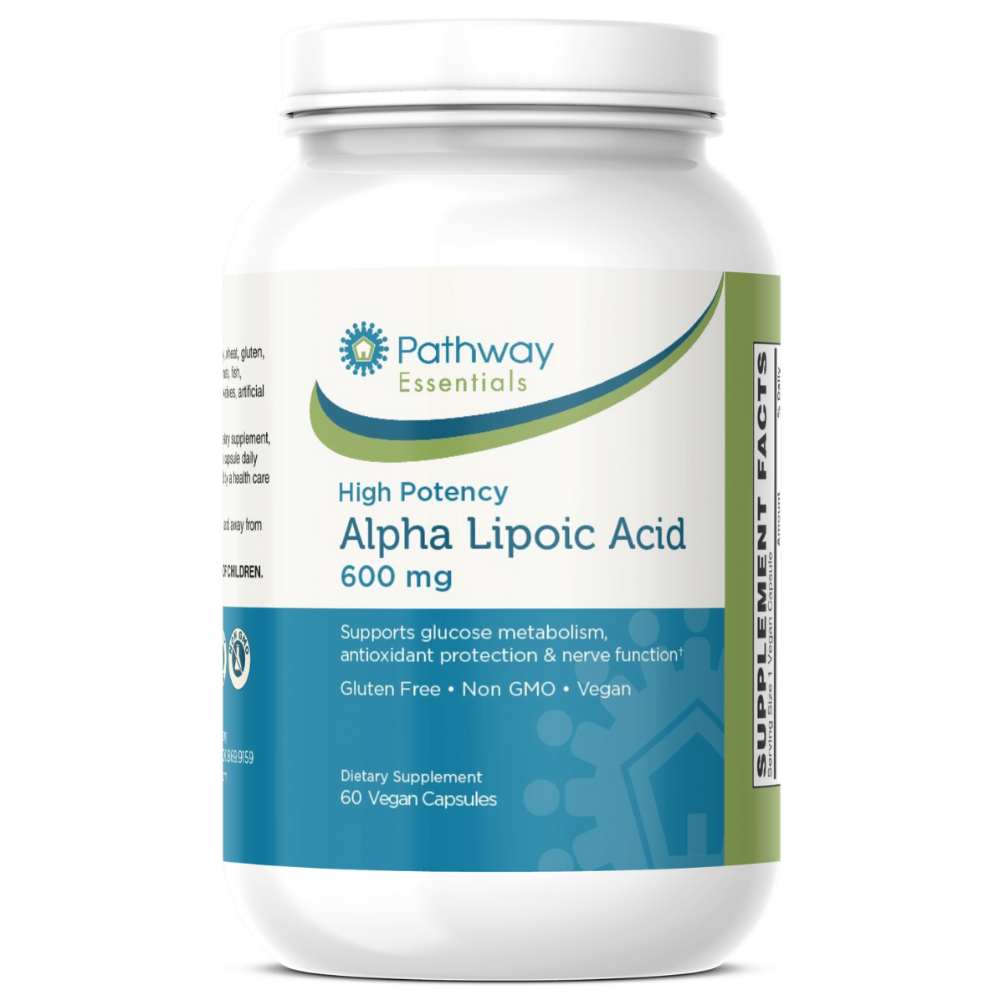
ALPHA LIPOIC ACID 600 MG
No reviews
$27.77
$34.71
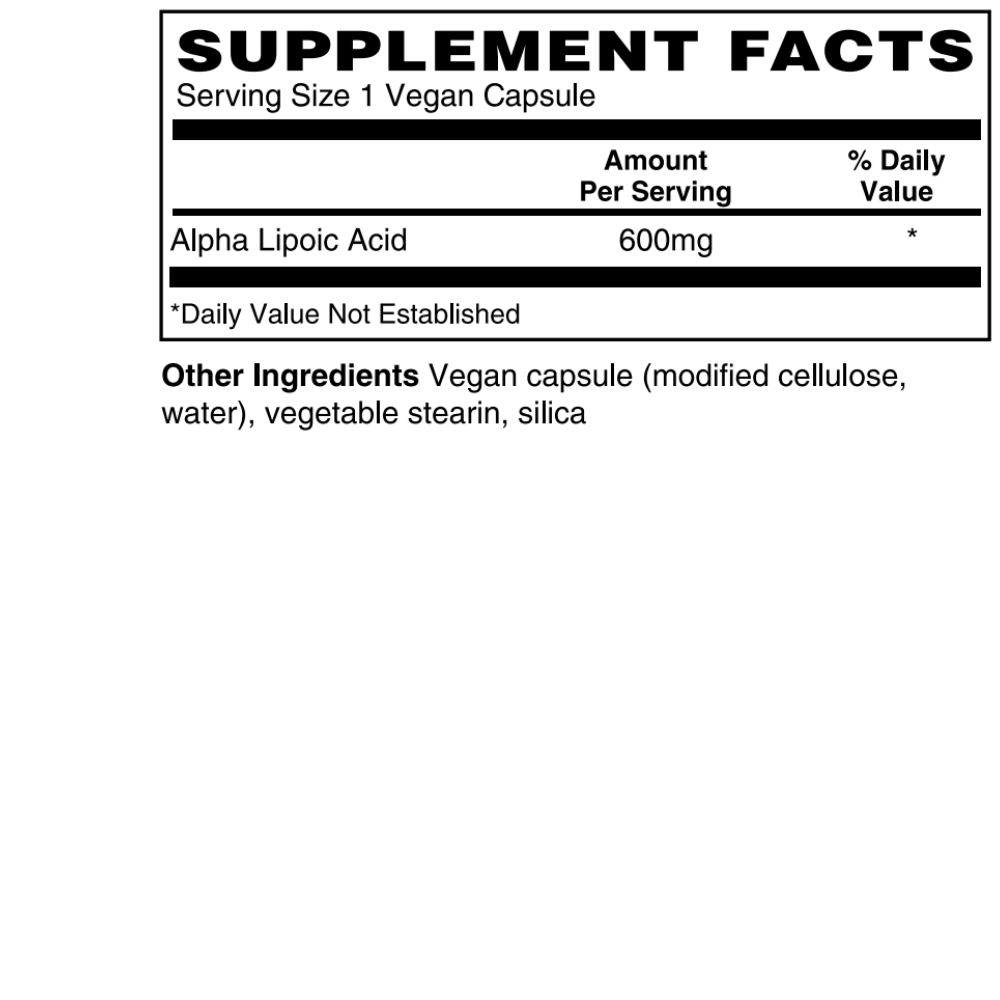
A high potency Lipoic Acid, consisting of 600mg of the “R” and “S” form in a 50:50 ratio for supporting healthy glucose metabolism, antioxidant protection, and nerve function.
Alpha Lipoic Acid (ALA) is a part of coenzymes that are involved in the metabolism of carbohydrates, fats and proteins. ALA, called the “universal antioxidant”, is soluble in both water and fat, therefore is able to work in various parts of the body. As an antioxidant, it is able to scavenge a variety of free radicals including the highly reactive hydroxyl radical and singlet oxygen. ALA has the ability to extend the activity of vitamin C and vitamin E, as well as regenerate the powerful antioxidants CoQ10 and glutathione. Studies show ALA is a powerful antioxidant that can help protect healthy cell function. Scientific studies show Alpha Lipoic Acid helps support glucose metabolism, as well as normal, healthy liver function.
Features:
Higher Potency at 600mg of Alpha Lipoic Acid per VCAP
The raw material is Kosher, Halal, Non GMO and Vegan Certified.
Our Alpha Lipoic Acid consists of both the “R” and “S” forms in its natural 50:50 ratio.
Free of the major food allergens – Contains No sugar, dairy, wheat, gluten, eggs, peanuts, soy, tree nuts, fish, shellfish, sesame, preservatives, artificial colors or flavors.
Non-GMO and Vegan
Benefits:
600mg of Alpha Lipoic Acid supports glucose metabolism, antioxidant protection & nerve function.
Alpha Lipoic Acid is a powerful water and fat-soluble antioxidant.
Alpha Lipoic Acid is found in every cell of the body and plays an indispensable role in creating energy as ATP.
It supports the metabolism of carbohydrates, fats and proteins.
Studies show Alpha Lipoic Acid is essential for supporting normal, healthy blood sugar levels and healthy insulin function.
Alpha Lipoic Acid has the ability to regenerate other antioxidants in the body particularly vitamins C & E, CoQ10 and glutathione.
Alpha Lipoic Acid has been shown in numerous studies to help support normal, healthy nerve function.
A Clinical Study demonstrates that 600mg of Alpha Lipoic Acid can reduce markers of oxidative stress and Products R.A.G.E. (Receptor for Advanced Glycation End) in seniors, a key effect of blood sugar challenges.
Alpha Lipoic Acid may support normal, healthy liver function.
Suggested Use:
As a dietary supplement, adults take one (1) vegan capsule daily with meals, or as directed by a health care professional.
Storage Instructions:
Store in a cool, dry place and away from direct light.
Warning:
KEEP OUT OF REACH OF CHILDREN.
sale
PATHWAY
ULTRA DIM 200 MG
No reviews
$22.78
$28.47
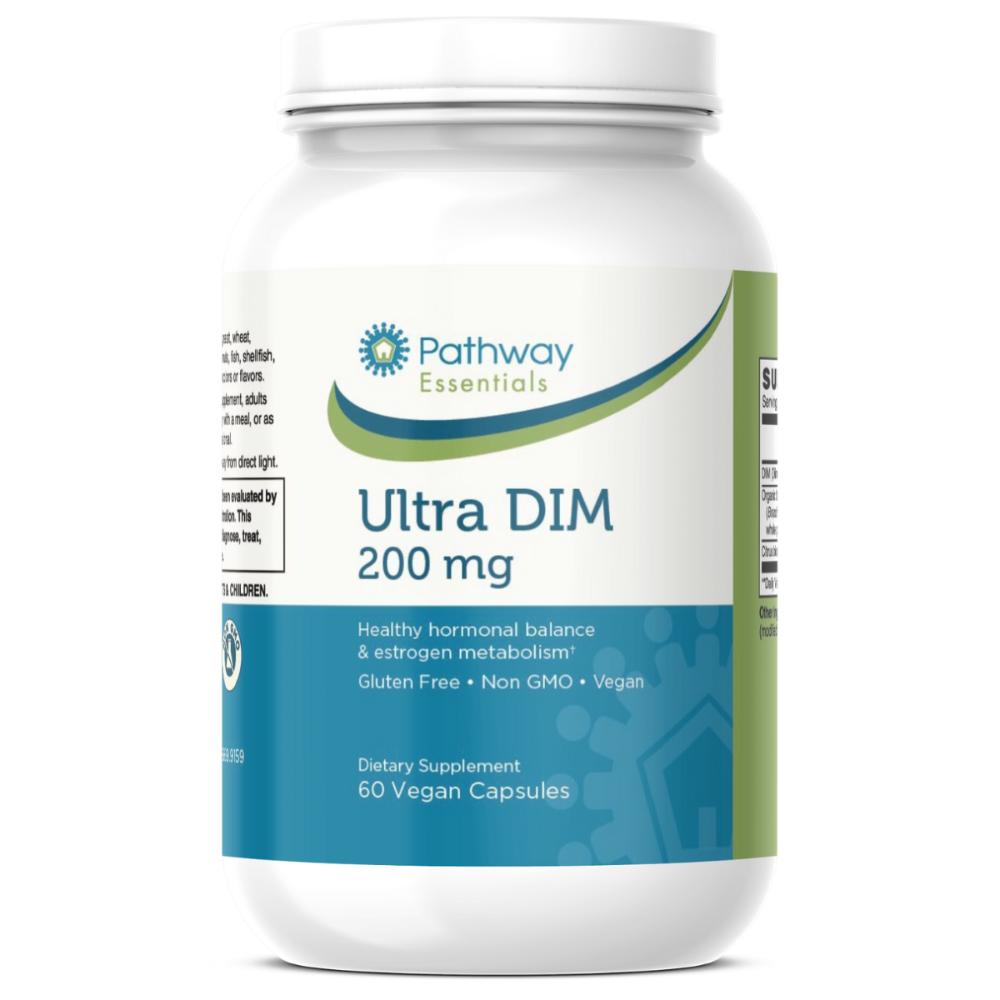
Imbalances in hormones, particularly estrogen and progesterone, can significantly influence a woman’s monthly cycle. Excess estrogens are linked to irregular, heavy, or uncomfortable menstrual cycles. These hormone imbalances can also contribute to breast tenderness, bloating, and mood changes related to PMS. High estrogen levels in women can increase the risk of a number of health concerns, including cancer, endometriosis, fibroids, polycystic ovarian syndrome (PCOS) and Insulin Resistance. In men, while estrogen is essential for proper bodily functions, excessive levels can cause health problems, including infertility, erectile dysfunction, and depression. Research shows that 20.2% of male patients have elevated estrogen levels, with older men, those using testosterone therapy, and individuals with obesity being more susceptible.
Features:
Supports healthy hormonal balance and estrogen metabolism
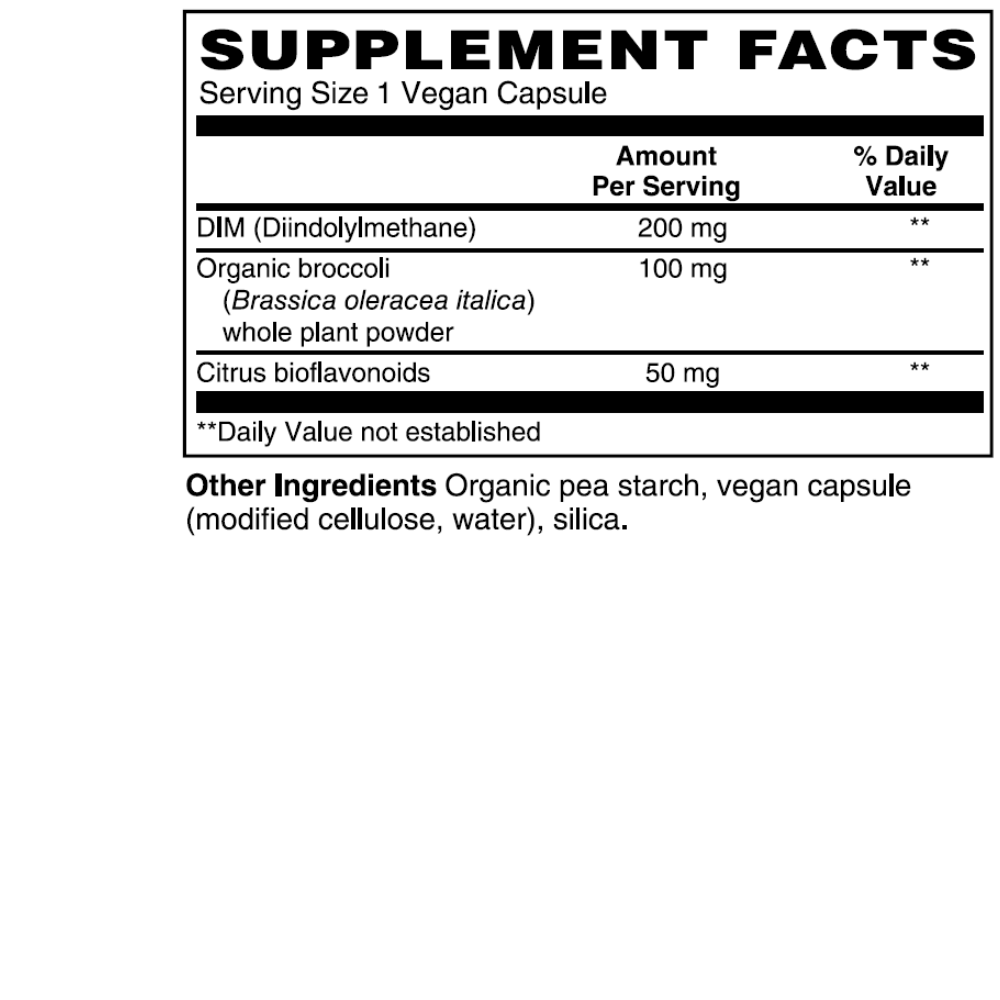
200 mg DIM [Diindolylmethane], is a phytonutrient found naturally in cruciferous vegetables
100 mg Organic Broccoli Powder [Brassica Oleracea Italica]
Citrus Bioflavonoid Complex delivering 3.00% Hesperidin
Contains no sugar, salt, dairy, yeast, wheat, gluten, eggs, peanuts, soy, tree nuts, fish, shellfish, sesame, preservatives, artificial colors or flavors
Gluten Free, Non GMO & Vegan
Benefits:
Clinically studied ingredients support healthy hormonal balance and estrogen metabolism in both women and men.
Ultra DIM combines DIM, broccoli seed extract, and a citrus bioflavonoid complex [with 3% Hespederin] to help the body metabolize and detoxify excess estrogen.
DIM works by helping to promote 2-hydroxyestrone production, supporting a healthy 2:16 hydroxyestrone ratio.
DIM is considered a estrogen blocker because it blocks an enzyme called aromatase that converts testosterone into estrogen, which can support your testosterone levels.
Organic broccoli powder is a great source of calcium, vitamin K, vitamin C, chromium and folate and is sodium and fat-free. Like other cruciferous vegetables, it may help lower the risk of heart disease. Broccoli contains a compound called sulforaphane which may help with the healthy aging process.
Hesperidin, a flavonoid commonly found in citrus fruits, is known for its antioxidant properties, which help protect cells from damage caused by free radicals. Studies suggest hesperidin may also support heart health by strengthening blood vessels and reducing inflammation.
Suggested Use:
As a dietary supplement, adults take one (1) vegan capsule daily with a meal, or as directed by a health care professional.
Storage Instructions:
Store in a cool, dry place
Keep away from direct light
KEEP OUT OF REACH OF PETS & CHILDREN.
sale
PATHWAY
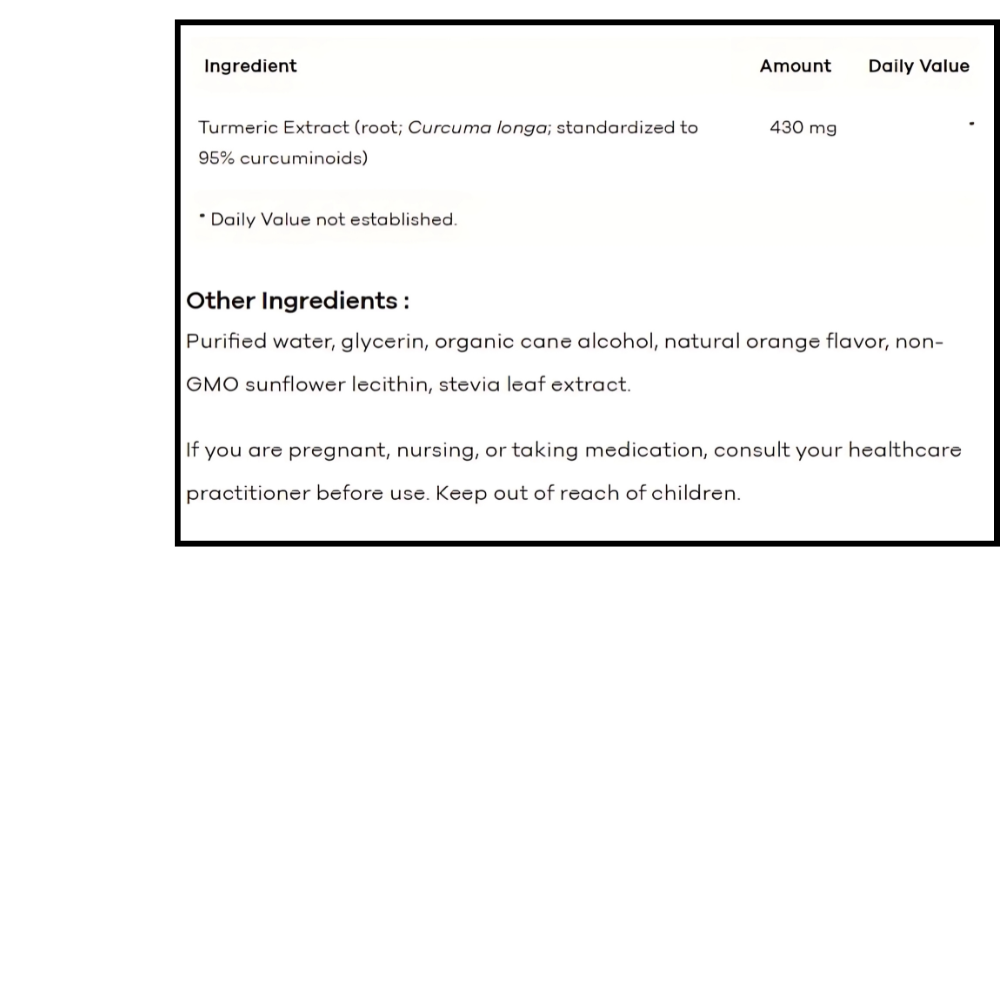
Liposomal Curcumin
No reviews
$47.99
$59.99
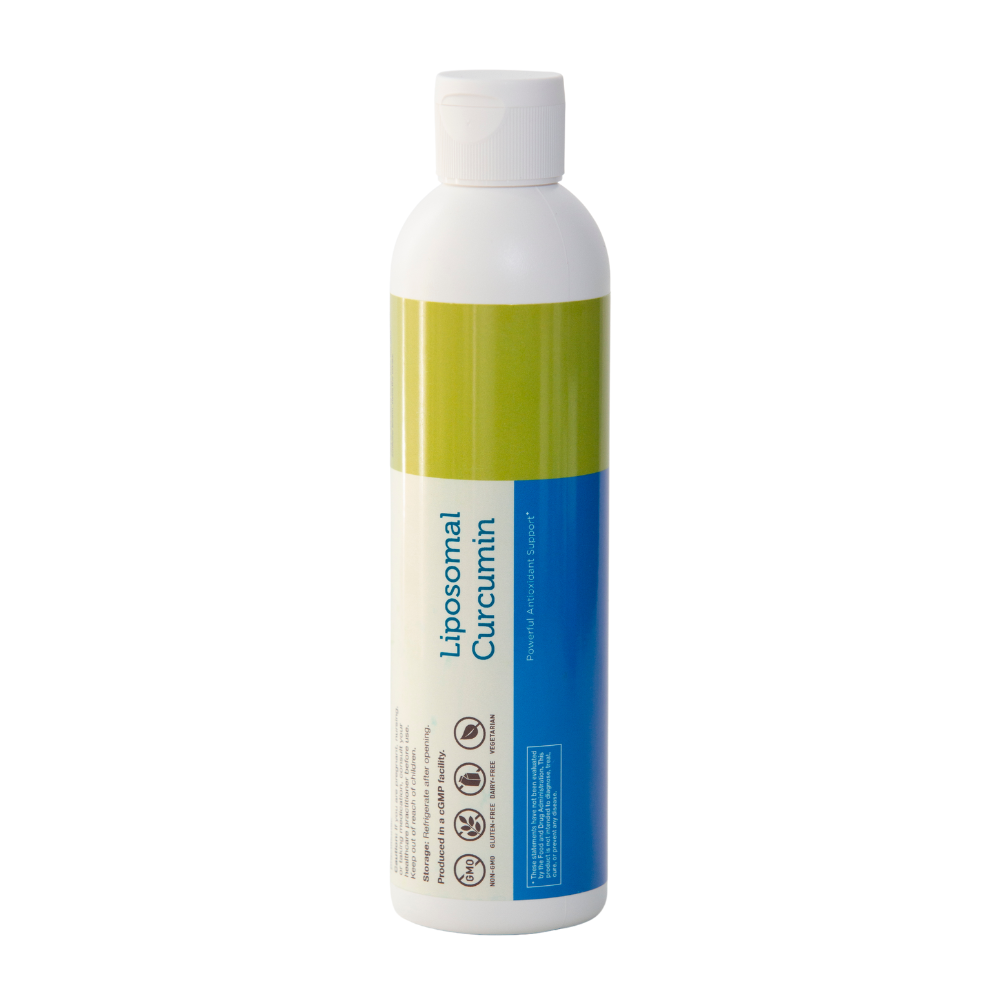
Liposomal Curcumin delivers bioavailable curcumin in a great-tasting, easy-to-take liquid supplement with optimal blood-brain barrier permeability. Curcumin contains curcuminoids, the active component of turmeric. Curcuminoids act as powerful antioxidants in the body and promote a myriad of health benefits.
Curcumin, however, is poorly absorbed by the body due to its low water solubility and is quickly metabolized in the liver. The liposomal delivery system helps bypass the kidney and liver, making it easier for curcumin to travel through the intestinal wall and into the bloodstream.
Additional benefits include:
Promoting healthy inflammatory markers in the body
Supporting healthy immune function
Promoting healthy oxidative stress
Supporting healthy joints and flexibility
Helping to lessen exercise-induced muscle soreness
Supporting healthy liver function and detoxification
Promoting gut health and intestinal barrier function
Supporting healthy aging
Recommendations :
Shake well. Take one teaspoon (5 mL) daily or as directed by your healthcare practitioner.
sale

PATHWAY
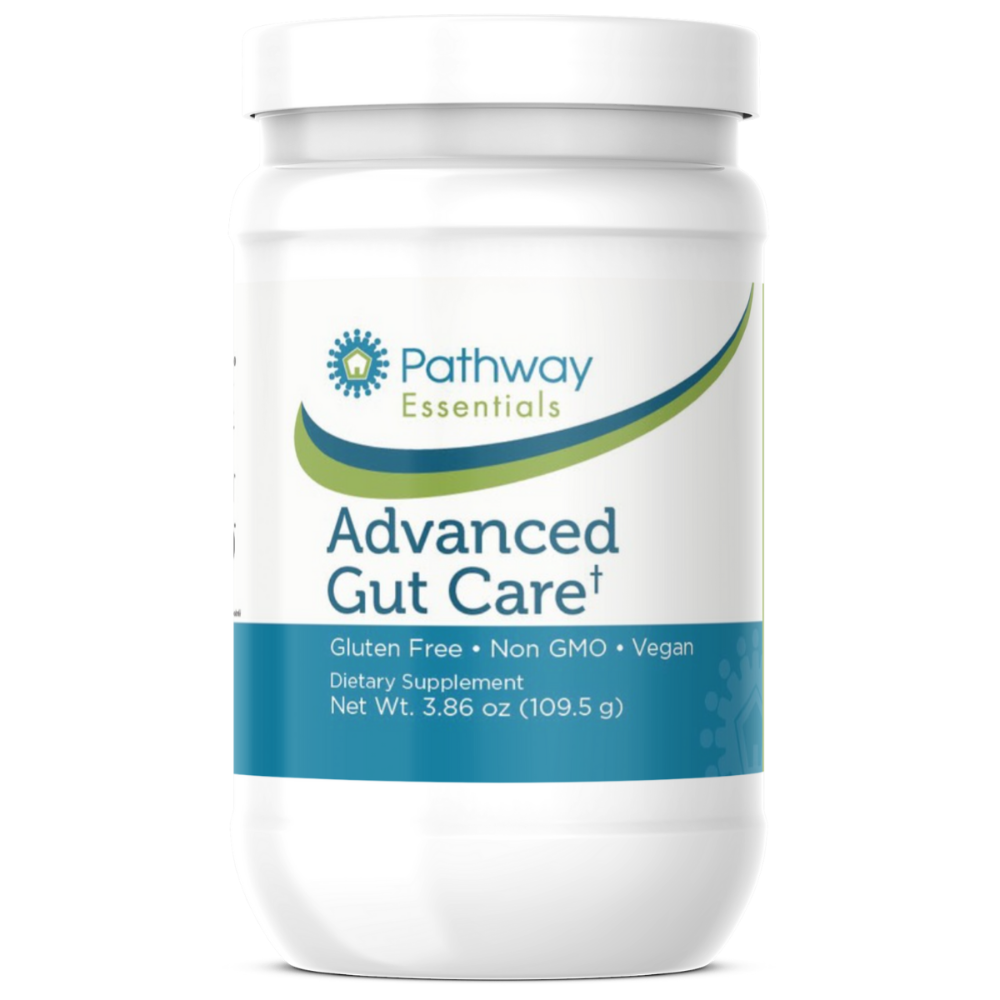
Advance Gut Care
No reviews
$29.54
$36.92
Tight openings in the intestinal walls allow water and nutrients to pass through into the bloodstream while keeping harmful substances inside. The rate of this passing is known as intestinal permeability (IP). As gut health declines with age, stress, poor diet and unhealthy lifestyle, these openings become looser. This allows food particles, bacteria, and toxins to leak directly into the bloodstream. If neglected, the increase in Intestinal Permeability (IP) may contribute to various health conditions. Poor IP has some early warning signs such as diarrhea, constipation or bloating, fatigue, headaches, poor focus, unhealthy skin, joint pain and or poorly resolved inflammatory events. Advanced Gut Care contains clinically studied ingredients that aid the balance of the gut microbiome, soothe the intestinal tract, and support the integrity of the intestinal lining.
Features:
3000 mg L-Glutamine
2000 mg NatureKnit fiber-bound polyphenols
850 mg Gluten Enzyme Formula, same as Gluten-ADE
250 mg MicrobiomeX grapefruit and orange fruit extract
250 mg Lynside PRO SCB Saccharomyces boulardii
150 mg GutGard standardized licorice root extract
100 mg FiberAid (larch arabinogalactan) prebiotic
100 mg Organic Acacia Gum
100 mg Ginger root extract
100 mg Marshmallow root (Althaea officinalis)
100 mg Slippery Elm bark (Ulmus pumila)
Contains no sugar, salt, dairy, wheat, gluten, eggs, peanuts, soy, tree nuts, fish, shellfish, sesame, preservatives, artificial colors or flavors
Gluten Free, Non-GMO and Vegan
Benefits:
Clinically studied ingredients that soothe & support the intestinal tract.
Glutamine directly supports gut health 3 ways: it aids the balance of the gut microbiome, increases tight junction proteins and the integrity of the intestinal lining, and helps to minimize the inflammatory response in situations of gut mucosal irritation.
NatureKnit delivers dietary fiber and polyphenols to the gut. These fiber-bound polyphenols are slowly released and act as antioxidants to help promote optimal gut health.
MicrobiomeX promotes a shift in the gut microbiome that leads to a beneficial short-chain fatty acid (SCFA) profile. This improves gut barrier function and enhances the immunity in the gut.
GutGard is show in 2 studies to significantly lowers the symptoms of daily digestive health problems and provide relief from H. pylori for 48% of those studied.
Advanced Gut Care also provides a Gluten Enzyme Formula, Lynside PRO SCB Saccharomyces boulardii, FiberAid, Organic Acacia Gum, Ginger root extract, Marshmallow root and Slippery Elm, all in effective doses to support healthy gut function.
Suggested Use:
As a dietary supplement, adults take one (1) scoop daily in water, juice, or a smoothie, or as directed by a health care professional.
Storage Instructions:
Store in a cool, dry place away from direct light
KEEP OUT OF REACH OF CHILDREN.
sale
PATHWAY
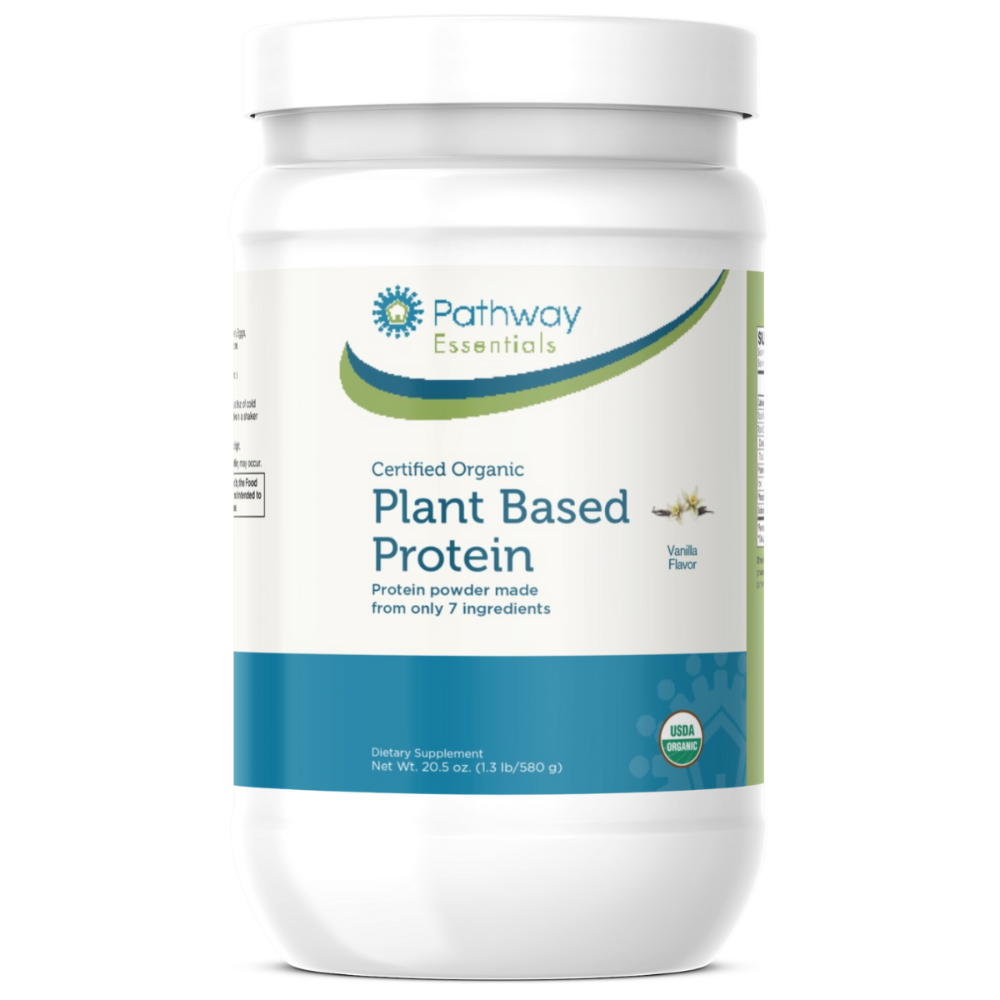
ORGANIC PLANT BASED PROTEIN
No reviews
$64.79
$80.99
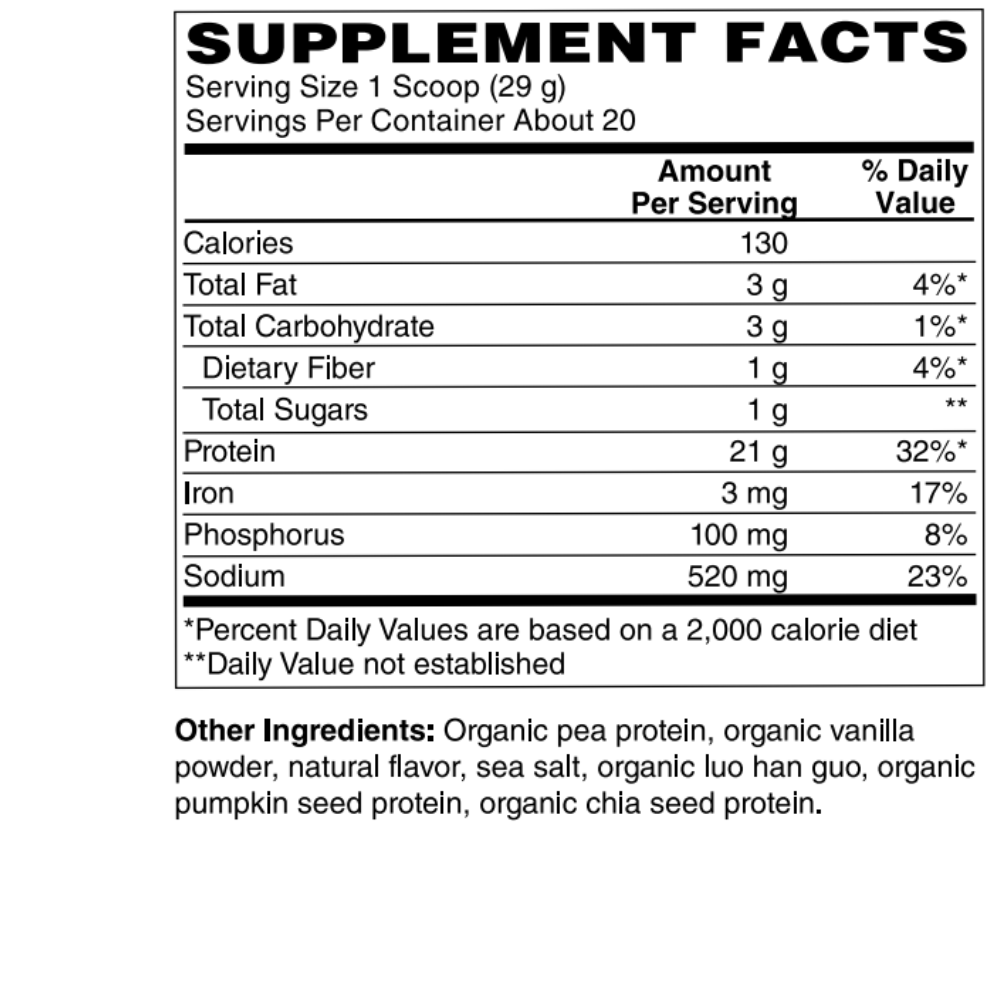
This Certified Organic Plant-Based Protein is crafted with just seven clean, recognizable ingredients, including organic pea, pumpkin seed, and chia seed proteins.
The plant-based protein market presents a powerful growth opportunity driven by strong and sustained consumer demand for clean, transparent, and health-conscious products. Certified Organic, Vegan, Plant-Based, and Non-GMO are now the leading label claims influencing purchase decisions—especially in the protein category—signaling a clear shift toward values-driven consumption. Today’s consumers are seeking simple, recognizable ingredients that align with their lifestyle, and they’re actively avoiding overly processed products with artificial additives or confusing chemical names. This is where our new plant-based protein delivers: made with real, whole food ingredients, it’s easy on the stomach, easy to integrate into everyday meals, and full of natural flavor. Whether added to a morning smoothie, blended into baked goods, or mixed into savory dishes, this Certified Organic Plant-Based Protein offers a convenient, guilt-free way to boost protein intake.
Features:
USDA Organic Protein Powder
Made with only 7 ingredients
Organic Pea, Pumpkin Seed and Chia Seed protein sources
Naturally-flavored with Organic Vanilla Extract or Organic Cocoa and lightly sweetened with Monk Fruit
Mixes smoothly with a non-gritty texture
Contains no dairy, yeast, wheat, gluten, eggs, corn, fish, shellfish, peanuts, soy, tree nuts, sesame, preservatives, artificial colors, artificial flavors
Gluten Free, Non-GMO and Vegan
Benefits:
Organic plant-based protein powder generally has a significantly lower environmental impact compared to animal-based protein powders, requiring less land, water, and energy to produce, resulting in lower greenhouse gas emissions and a smaller overall carbon footprint; choosing organic further minimizes the environmental impact by avoiding synthetic pesticides and fertilizers.
Plant-based proteins are often easier to digest than animal-based proteins, making them a good choice for people with digestive issues.
Plant-based protein powders can help repair and rebuild muscle tissue, which can help with muscle toning and building.
Plant-based protein powders can help you feel full longer, which can help regulate metabolism and curb cravings.
Replacing some animal-based protein with plant-based protein may help reduce the risk of developing chronic diseases like heart disease, diabetes, and some cancers.
Plant-based protein powders are often gluten-free and dairy-free, making them suitable for many diets.
Plant-based protein powders are a good source of protein for vegetarians and vegans.
Suggested Use:
Enjoy one (1) scoop in at least 8 oz of cold water, milk, almond milk, or other milk alternative in a shaker cup or blender.
Storage Instructions:
Store in a cool, dry place and away from direct light.
This product is sold by weight, not volume. Settling may occur.
Warning:
KEEP OUT OF REACH OF CHILDREN.
sale


PATHWAY
Advanced Beauty Care
No reviews
$66.46
$83.07
Micronutrient deficiencies can significantly impact hair health, leading to issues such as thinning and hair loss—a concern that affects women just as much as men. While hair loss is often associated with men, studies reveal that over 50% of women will experience noticeable hair loss at some point in their lives. Even without substantial loss, women naturally shed between 50 and 150 hairs daily. Hair health is a vital part of women’s overall beauty routine, alongside concerns like wrinkles and nail care, with 46% of women worrying about aging signs and 85–90% worldwide using nail care products. Addressing these concerns with targeted solutions not only empowers women to maintain their confidence and well-being but also meets a significant and growing demand from customers seeking effective health and beauty products.
Features:
500 mg SesZen-Bio, delivering 2500mcg of totally natural, bio-available biotin
500 mg KeraGLO Hydrolyzed Keratin [92% free amino; 8% dipeptides and tripeptides]
100 mg of Fo-Ti [Polygonum Multiflorum] 12:1 Concentration
100 mcg Hyaluronic Acid (Vegetable source)
Contains no sugar, salt, dairy, yeast, wheat, gluten, eggs, peanuts, soy, tree nuts, fish, shellfish, sesame, preservatives, artificial colors or flavors
Gluten Free, Non-GMO and Vegan
Benefits:
Clinically-studied ingredients support healthy-looking hair, skin & nails.
A clinical study with SesZen-Bio showed an improvement in hair density, hair thickness and ferritin in 8 weeks of usage, suggesting it stimulates the keratin production which resulted in improved follicle growth.
Plant-based, whole food SesZen-Bio is believed to be twice as effective synthetic biotin in therapeutic efficacy due to its efficiency to interact with five receptors compared to synthetic biotin, which binds to one.
Suggested Use:
As a dietary supplement, adults take two (2) capsules daily with a meal, or as directed by a health care professional.
Storage Instructions:
Store in a cool, dry place
Keep away from direct light
KEEP OUT OF REACH OF CHILDREN.
sale

PATHWAY
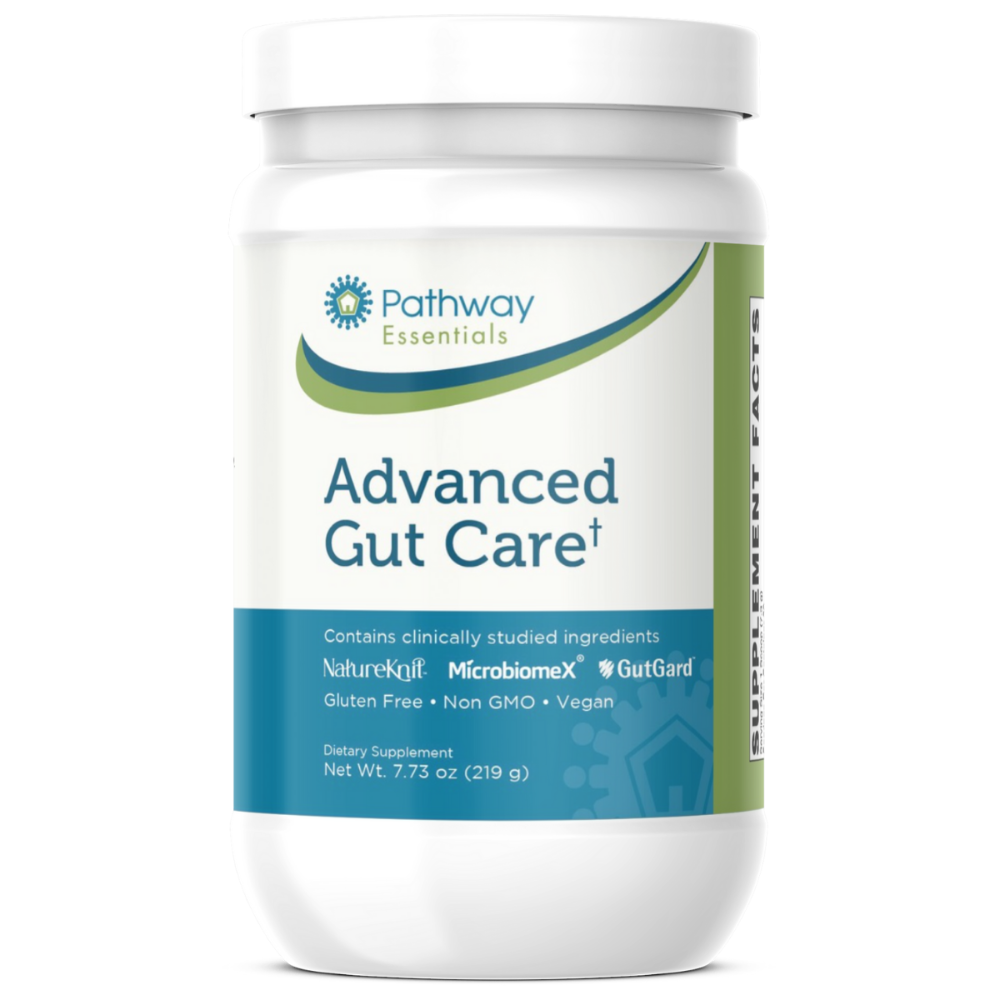
Advance Gut Care
No reviews
$48.15
$60.19
Tight openings in the intestinal walls allow water and nutrients to pass through into the bloodstream while keeping harmful substances inside. The rate of this passing is known as intestinal permeability (IP). As gut health declines with age, stress, poor diet and unhealthy lifestyle, these openings become looser. This allows food particles, bacteria, and toxins to leak directly into the bloodstream. If neglected, the increase in Intestinal Permeability (IP) may contribute to various health conditions. Poor IP has some early warning signs such as diarrhea, constipation or bloating, fatigue, headaches, poor focus, unhealthy skin, joint pain and or poorly resolved inflammatory events. Advanced Gut Care contains clinically studied ingredients that aid the balance of the gut microbiome, soothe the intestinal tract, and support the integrity of the intestinal lining.
Features:
3000 mg L-Glutamine
2000 mg NatureKnit fiber-bound polyphenols
850 mg Gluten Enzyme Formula, same as Gluten-ADE
250 mg MicrobiomeX grapefruit and orange fruit extract
250 mg Lynside PRO SCB Saccharomyces boulardii
150 mg GutGard standardized licorice root extract
100 mg FiberAid (larch arabinogalactan) prebiotic
100 mg Organic Acacia Gum
100 mg Ginger root extract
100 mg Marshmallow root (Althaea officinalis)
100 mg Slippery Elm bark (Ulmus pumila)
Contains no sugar, salt, dairy, wheat, gluten, eggs, peanuts, soy, tree nuts, fish, shellfish, sesame, preservatives, artificial colors or flavors
Gluten Free, Non-GMO and Vegan
Benefits:
Clinically studied ingredients that soothe & support the intestinal tract.
Glutamine directly supports gut health 3 ways: it aids the balance of the gut microbiome, increases tight junction proteins and the integrity of the intestinal lining, and helps to minimize the inflammatory response in situations of gut mucosal irritation.
NatureKnit delivers dietary fiber and polyphenols to the gut. These fiber-bound polyphenols are slowly released and act as antioxidants to help promote optimal gut health.
MicrobiomeX promotes a shift in the gut microbiome that leads to a beneficial short-chain fatty acid (SCFA) profile. This improves gut barrier function and enhances the immunity in the gut.
GutGard is show in 2 studies to significantly lowers the symptoms of daily digestive health problems and provide relief from H. pylori for 48% of those studied.
Advanced Gut Care also provides a Gluten Enzyme Formula, Lynside PRO SCB Saccharomyces boulardii, FiberAid, Organic Acacia Gum, Ginger root extract, Marshmallow root and Slippery Elm, all in effective doses to support healthy gut function.
Suggested Use:
As a dietary supplement, adults take one (1) scoop daily in water, juice, or a smoothie, or as directed by a health care professional.
Storage Instructions:
Store in a cool, dry place away from direct light
KEEP OUT OF REACH OF CHILDREN.
sale
PATHWAY
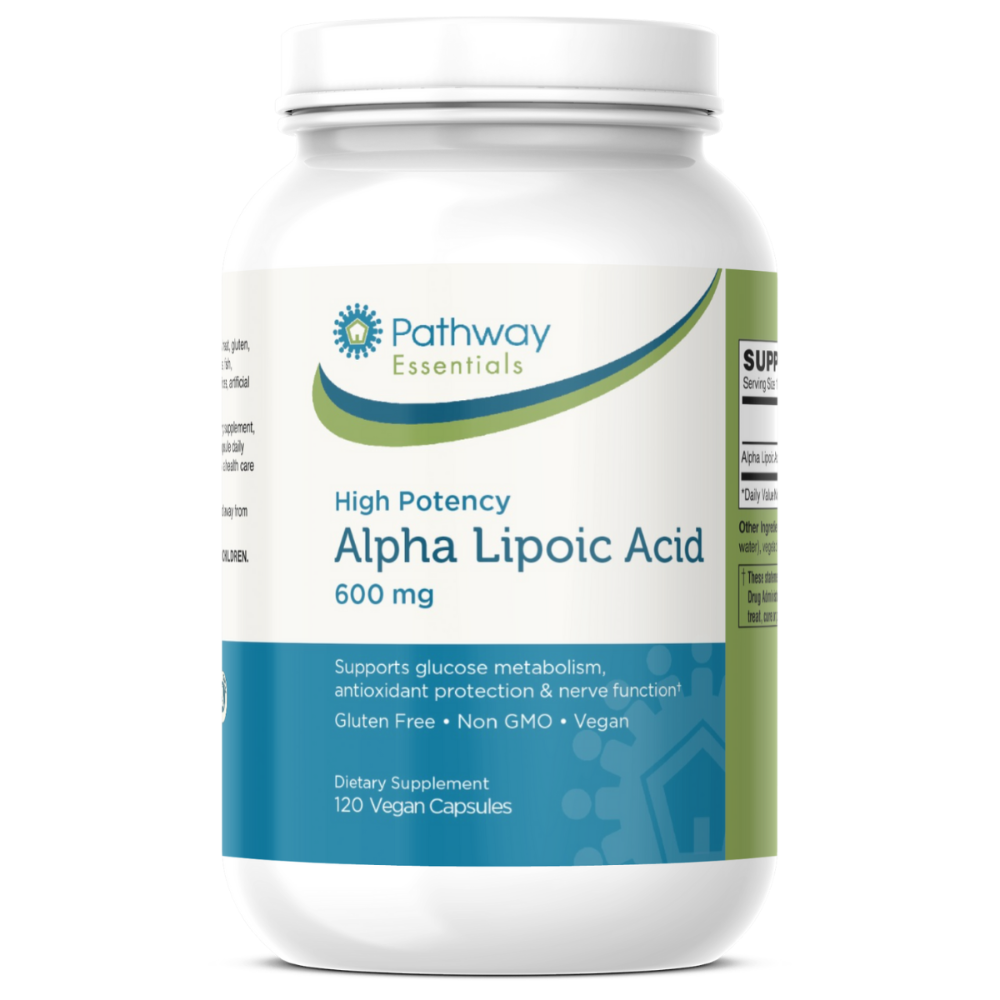
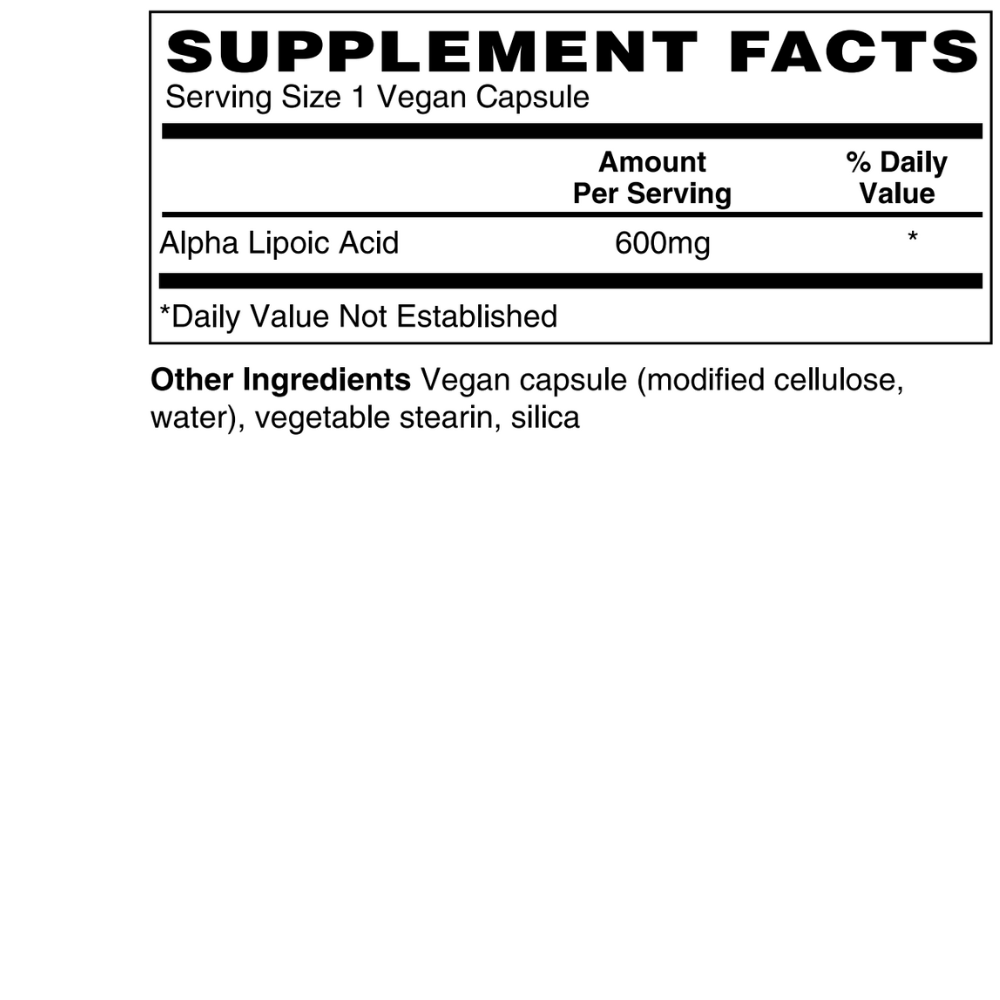
ALPHA LIPOIC ACID 600 MG
No reviews
$45.66
$57.07
A high potency Lipoic Acid, consisting of 600mg of the “R” and “S” form in a 50:50 ratio for supporting healthy glucose metabolism, antioxidant protection, and nerve function.
Alpha Lipoic Acid (ALA) is a part of coenzymes that are involved in the metabolism of carbohydrates, fats and proteins. ALA, called the “universal antioxidant”, is soluble in both water and fat, therefore is able to work in various parts of the body. As an antioxidant, it is able to scavenge a variety of free radicals including the highly reactive hydroxyl radical and singlet oxygen. ALA has the ability to extend the activity of vitamin C and vitamin E, as well as regenerate the powerful antioxidants CoQ10 and glutathione. Studies show ALA is a powerful antioxidant that can help protect healthy cell function. Scientific studies show Alpha Lipoic Acid helps support glucose metabolism, as well as normal, healthy liver function.
Features:
Higher Potency at 600mg of Alpha Lipoic Acid per VCAP
The raw material is Kosher, Halal, Non GMO and Vegan Certified.
Our Alpha Lipoic Acid consists of both the “R” and “S” forms in its natural 50:50 ratio.
Free of the major food allergens – Contains No sugar, dairy, wheat, gluten, eggs, peanuts, soy, tree nuts, fish, shellfish, sesame, preservatives, artificial colors or flavors.
Non-GMO and Vegan
Benefits:
600mg of Alpha Lipoic Acid supports glucose metabolism, antioxidant protection & nerve function.
Alpha Lipoic Acid is a powerful water and fat-soluble antioxidant.
Alpha Lipoic Acid is found in every cell of the body and plays an indispensable role in creating energy as ATP.
It supports the metabolism of carbohydrates, fats and proteins.
Studies show Alpha Lipoic Acid is essential for supporting normal, healthy blood sugar levels and healthy insulin function.
Alpha Lipoic Acid has the ability to regenerate other antioxidants in the body particularly vitamins C & E, CoQ10 and glutathione.
Alpha Lipoic Acid has been shown in numerous studies to help support normal, healthy nerve function.
A Clinical Study demonstrates that 600mg of Alpha Lipoic Acid can reduce markers of oxidative stress and Products R.A.G.E. (Receptor for Advanced Glycation End) in seniors, a key effect of blood sugar challenges.
Alpha Lipoic Acid may support normal, healthy liver function.
Suggested Use:
As a dietary supplement, adults take one (1) vegan capsule daily with meals, or as directed by a health care professional.
Storage Instructions:
Store in a cool, dry place and away from direct light.
Warning:
KEEP OUT OF REACH OF CHILDREN.
sale


PATHWAY
Pro Advanced Cardio Care
No reviews
$62.30
$77.87
Pro Advanced Cardio Care provides comprehensive heart and circulation support featuring Bergamonte, ViNitrox, BenfoPure, and Cocrysta. Promotes healthy cholesterol, energy, and vascular function.
Cardiovascular wellness remains the top consumer health concern, yet few supplements deliver the clean-label, clinically validated solutions today’s customers demand. Pro Advanced Cardio Care was designed to close that gap by combining four science-backed, trademarked ingredients to support heart, vascular, and metabolic function. This comprehensive formula features Bergamonte bergamot extract, ViNitrox grape and apple polyphenols, BenfoPure benfotiamine, and Cocrysta ubiquinol for complete cardiovascular support. Vegan, Non-GMO, and gluten-free, it meets the growing preference for condition-specific, transparent formulations that deliver results.
Features:
500 mg Bergamonte Bergamot Orange fruit extract (standardized to 38% [190 mg] total polyphenols)
500 mg ViNitrox Grape Whole Plant extract & Apple skin extract (standardized to 95% [475 mg] total polyphenols)
150 mg BenfoPure Benfotiamine
100 mg Cocrysta Ubiquinol, the reduced form of Coenzyme Q10
Contains no sugar, salt, dairy, yeast, wheat, gluten, eggs, peanuts, soy, tree nuts, fish, shellfish, sesame, preservatives, artificial colors or flavors
Gluten Free, Non-GMO and Vegan
Benefits:
Bergamonte is a patented extract derived from the Citrus bergamia fruit, primarily grown in Calabria, Italy. It is rich in polyphenolic compounds such as neoeriocitrin, naringin, neohesperidin, brutieridin, and melitidin, which are believed to exert lipid-lowering, antioxidant, and anti-inflammatory effects.
Supports healthy cholesterol levels and lipid balance with clinically studied Bergamonte Citrus bergamia extract.
Enhances circulation and blood flow through ViNitrox-driven nitric oxide production for improved vascular function.
Provides antioxidant protection to help reduce oxidative stress and support endothelial health.
Promotes energy production at the cellular level with Cocrysta ubiquinol, the bioactive form of CoQ10.
Supports metabolic and vascular health with BenfoPure benfotiamine for improved glucose utilization.
Ideal for heart health maintenance, athletic performance, and overall cardiovascular resilience.
Suggested Use:
As a dietary supplement, adults take two (2) vegan capsules daily or as directed by a healthcare professional.
Storage Instruction:
Store in a cool, dry place and away from direct light.
Warning:
KEEP OUT OF REACH OF CHILDREN.
sale

PATHWAY
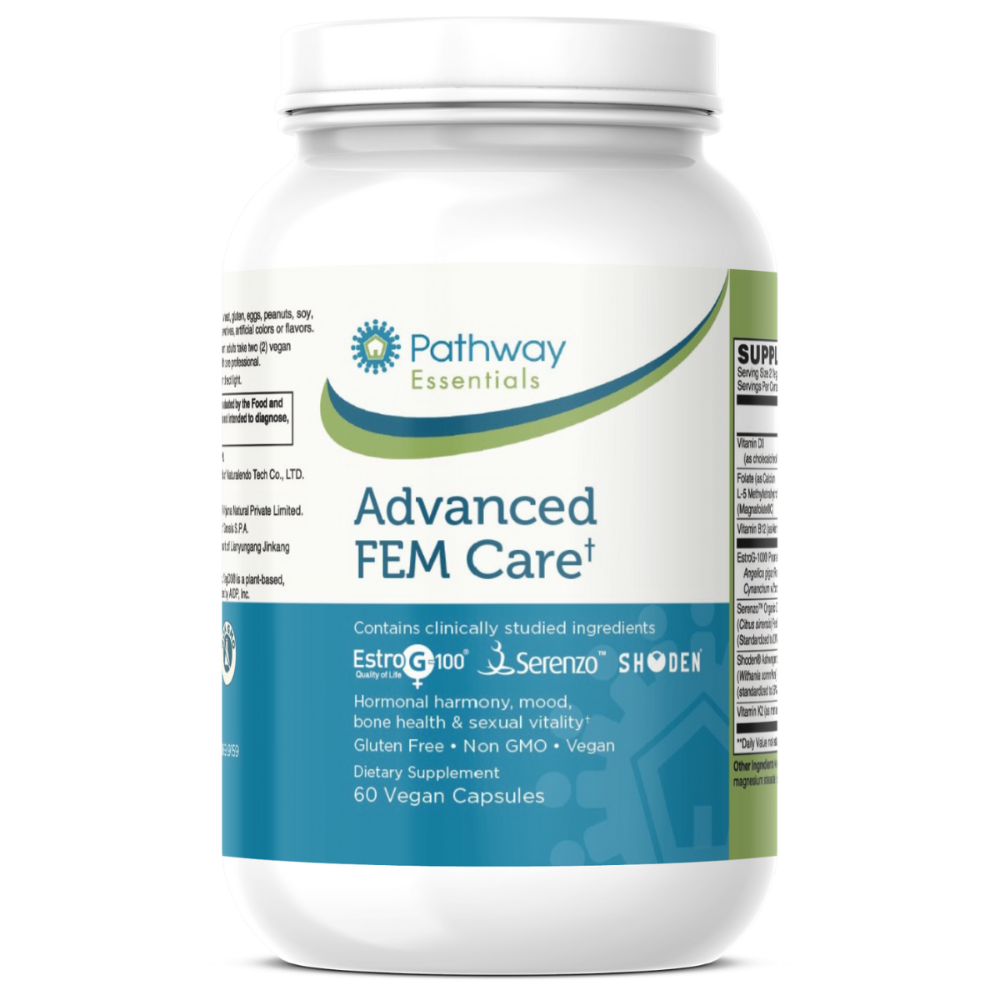
Advanced FEM Care
No reviews
$49.82
$62.27
Advanced Fem Care is a scientifically formulated to support women’s health and well-being at every stage of life. Featuring EstroG-100 for hormonal harmony, Shoden Ashwagandha for stress management, and Serenzo to enhance emotional well-being, it also includes Vitamins D3 and K2 for bone health. This gluten-free, vegan blend is tailored to help manage hormonal fluctuations, support mood balance, and promote overall vitality. Perfect for women seeking holistic health support.
Features:
515 mg EstroG-100 (Standardized extract of Cynanchum Wilfordii, Phlomis umbrosa, Angelica gigas)
500 mg Serenzo (Citrus Sinensis essential oil, microencapsulated with Acacia Gum)
120 mg Shoden Ashwagandha Extract (Standardized to 35% Withanolide Glycosides)
1139 mcg DFE [670 mg Folate (as MagnafolateC 5-MTHF)]
500 mcg of B-12 (as Methycobalamin)
100 mcg vitaMK7 Vitamin K2 (menaquinone-7)
50 mcg (2000 IU) VegD3, a USDA certified organic, vegan.org approved cholecalciferol
Contains no sugar, salt, dairy, yeast, wheat, gluten, eggs, peanuts, soy, tree nuts, fish, shellfish, sesame, preservatives, artificial colors or flavors
Gluten Free, Non GMO & Vegan
Benefits:
Clinically studied ingredients support hormonal harmony, mood, bone health, & sexual vitality.
In a study of EstroG‑100 in peri- & menopausal women showed significant improvement in the somatic, urogenital, and psychological climacteric symptoms within 6 weeks, and a highly significant improvement within 12 weeks. 100% were Satisfied or Extremely Satisfied. 53.46% even reported increased interest in sex.
In 2022, a Serenzo consumer study conducted on 134 consumers showed a significant improvement on mental load and a significant boost of emotional well-being (assessed via DASS score variation) through time much greater than a placebo. In another study, Serenzo was evaluated in an open clinical trial for 12 weeks. The efficacy was assessed using normative psychological questionnaires and a physiological marker. The first benefits were demonstrated after only 6 weeks: a 50% reduction of subjective feeling of stress and a 53% reduction of global stress, measured via questionnaire. 96% were satisfied with their improvements.
Vitamins D3 and K2 support bone mineralization, lower fracture risk, the cardiovascular system as well as blood sugar balance already within normal levels.
At 35%, Shoden delivers the strongest concentration of Withanolide Glycosides, the actives that provide Ashwagandha’s ability to balance hormones. This is particularly beneficial for women’s health, aiding the stress response, sleep, menstrual symptoms, reproduction, and menopause.
Suggested Use:
As a dietary supplement, adults take two (2) vegan capsules daily, or as directed by a health care professional.
Storage Instructions:
Store in a cool, dry place
Keep away from direct light
KEEP OUT OF REACH OF CHILDREN.
sale

PATHWAY
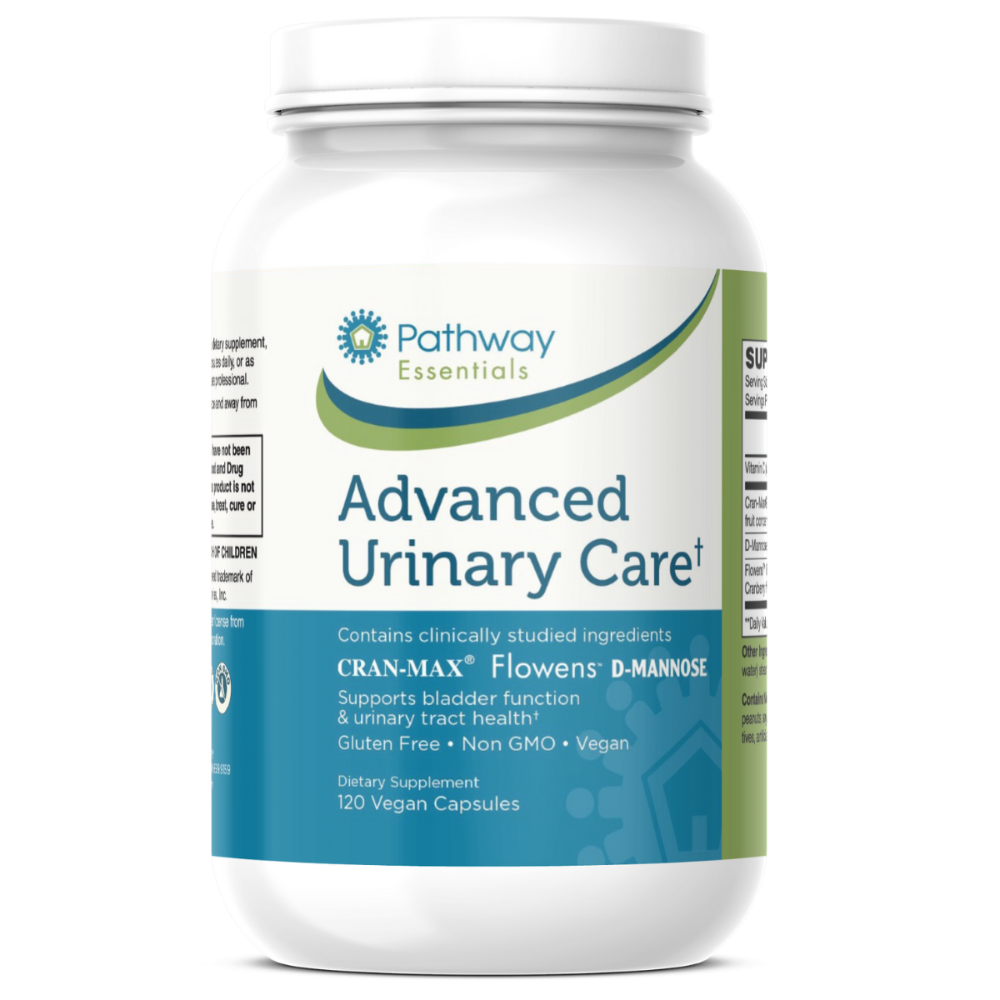
Advanced Urinary Care
No reviews
$37.44
$46.80
While both women and men get infections in the urinary tract, women have a 50% greater chance of having a urinary tract infection. They are most often caused by bacteria or yeast overgrowth, so keeping the urinary tract healthy is a first line of defense. Advanced Urinary Care contains clinically-studied actives that may support better urinary and bladder health while reducing the frequent urge that can be life-interrupting.
Features:
500 mg D-Mannose
500 mg Cran-Max Cranberry fruit concentrate
250 mg Flowens Full spectrum Cranberry fruit powder
90 mg Vitamin C
Contains no sugar, salt, dairy, yeast, wheat, gluten, eggs, peanuts, soy, tree nuts, fish, shellfish, sesame, preservatives, artificial colors or flavors
Gluten Free, Non-GMO and Vegan
Benefits:
Clinically studied ingredients support bladder function & urinary tract health.
D-mannose is a sugar that can be found in many fruits and naturally occurs in the human body. It has been shown to support a healthy urinary tract by inhibiting bacteria from latching onto the walls of the urinary tract. It is thought that the bacteria is then expelled when urinating, thus preventing the growth of bacteria which leads to an infection inside the bladder or urinary tract.
Research shows that PACs, particularly A-type PACs, of which cranberries are a rich source, support urinary tract health. Anthocyanins, which are also found in cranberries and are natural anti-oxidants, support overall health. Cran-Max provides a good source of PACs and anthocyanins.
Flowens showed a clinically relevant, dose-dependent, and significant reduction in LUTS [lower urinary tract symptoms] in men over 45. LUTS is also common in women, especially between the ages of 40-60. For some women, the symptoms are ongoing and interfere with normal life. The symptoms may include incontinence, the urge to pass urine frequently, or discomfort passing urine. These can result in poor quality of life.
There is some evidence that vitamin C can decrease the frequency of urinary tract infections.
Suggested Use:
As a dietary supplement, adults take two (2) capsules daily, or as directed by a health care professional.
Storage Instructions:
Store in a cool, dry place
Keep away from direct light
KEEP OUT OF REACH OF CHILDREN
sale

PATHWAY
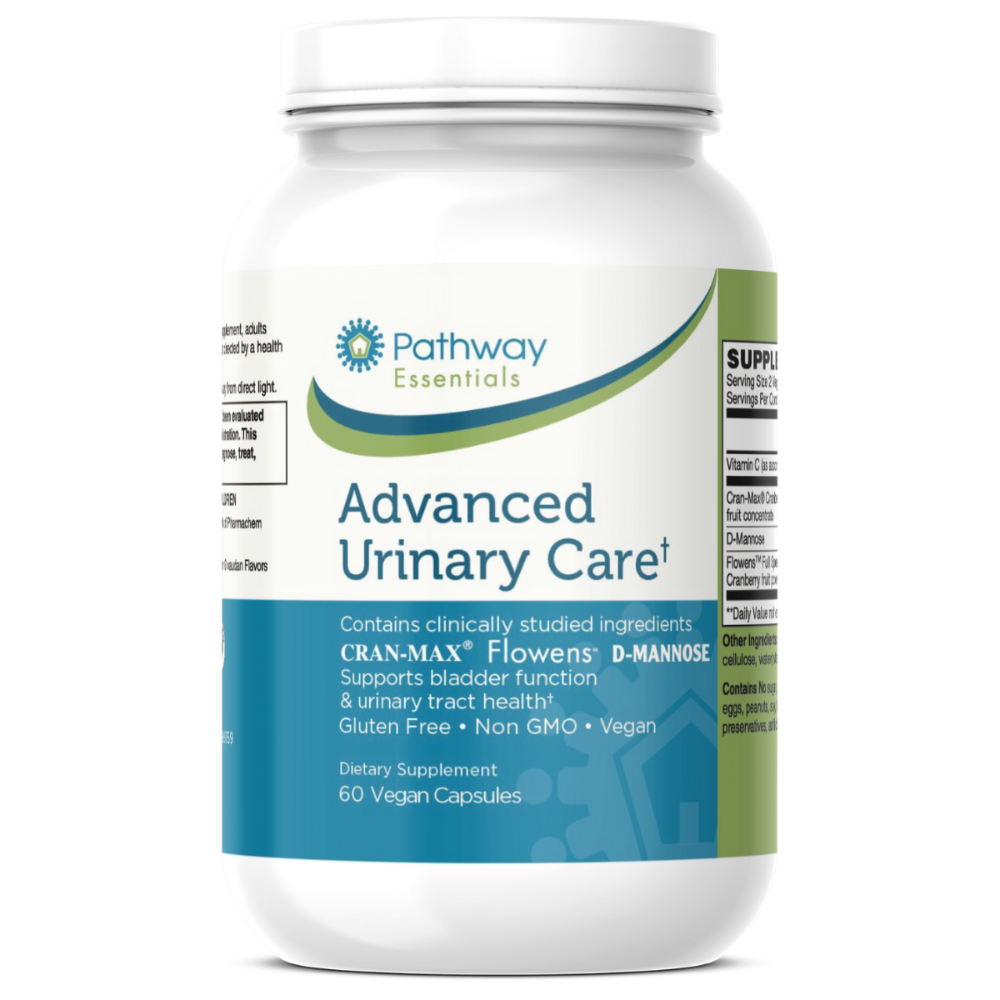
Advanced Urinary Care
No reviews
$21.32
$26.65
While both women and men get infections in the urinary tract, women have a 50% greater chance of having a urinary tract infection. They are most often caused by bacteria or yeast overgrowth, so keeping the urinary tract healthy is a first line of defense. Advanced Urinary Care contains clinically-studied actives that may support better urinary and bladder health while reducing the frequent urge that can be life-interrupting.
Features:
500 mg D-Mannose
500 mg Cran-Max Cranberry fruit concentrate
250 mg Flowens Full spectrum Cranberry fruit powder
90 mg Vitamin C
Contains no sugar, salt, dairy, yeast, wheat, gluten, eggs, peanuts, soy, tree nuts, fish, shellfish, sesame, preservatives, artificial colors or flavors
Gluten Free, Non-GMO and Vegan
Benefits:
Clinically studied ingredients support bladder function & urinary tract health.
D-mannose is a sugar that can be found in many fruits and naturally occurs in the human body. It has been shown to support a healthy urinary tract by inhibiting bacteria from latching onto the walls of the urinary tract. It is thought that the bacteria is then expelled when urinating, thus preventing the growth of bacteria which leads to an infection inside the bladder or urinary tract.
Research shows that PACs, particularly A-type PACs, of which cranberries are a rich source, support urinary tract health. Anthocyanins, which are also found in cranberries and are natural anti-oxidants, support overall health. Cran-Max provides a good source of PACs and anthocyanins.
Flowens showed a clinically relevant, dose-dependent, and significant reduction in LUTS [lower urinary tract symptoms] in men over 45. LUTS is also common in women, especially between the ages of 40-60. For some women, the symptoms are ongoing and interfere with normal life. The symptoms may include incontinence, the urge to pass urine frequently, or discomfort passing urine. These can result in poor quality of life.
There is some evidence that vitamin C can decrease the frequency of urinary tract infections.
Suggested Use:
As a dietary supplement, adults take two (2) capsules daily, or as directed by a health care professional.
Storage Instructions:
Store in a cool, dry place
Keep away from direct light
KEEP OUT OF REACH OF CHILDREN
sale
PATHWAY
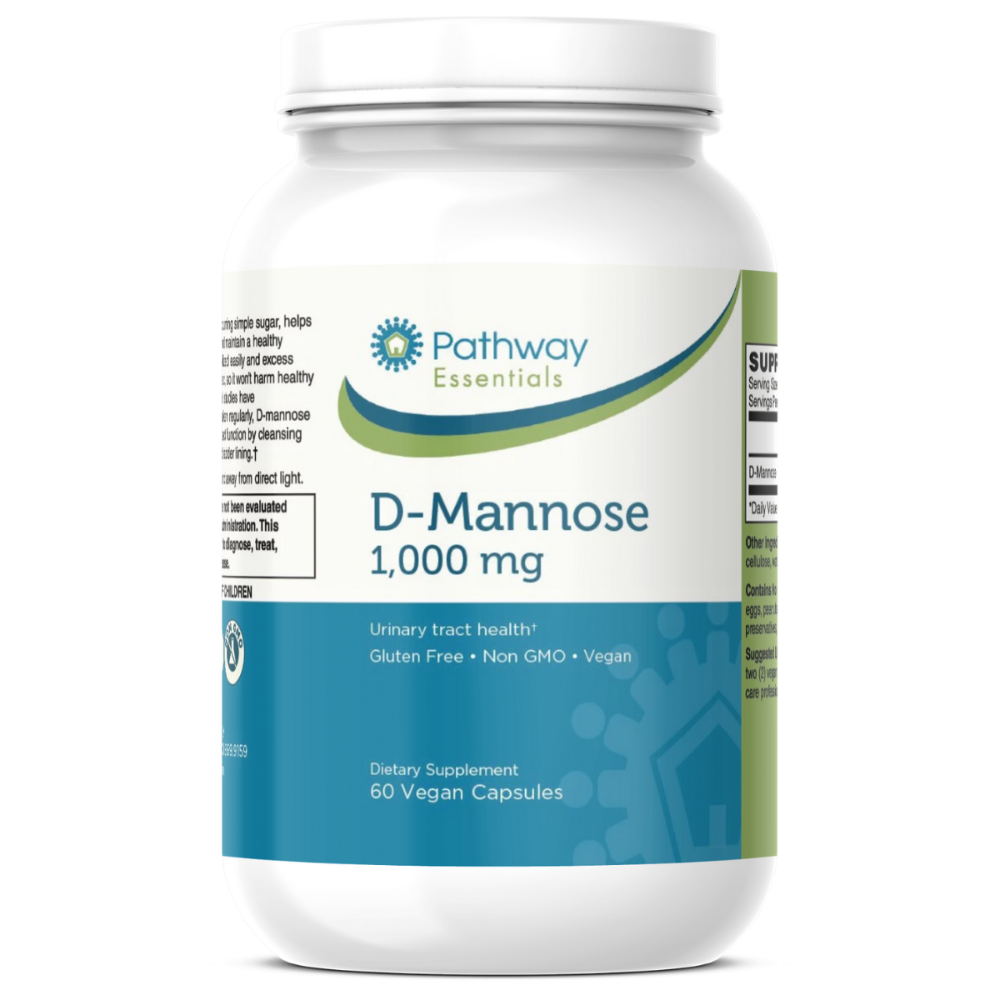
D-MANNOSE 1000 MG
No reviews
$18.70
$23.37
Urinary tract infections (UTIs) affect both women and men, but women are 50% more likely to experience them. With at least 50% of women encountering a UTI in their lifetime and 15–25% of adults and children suffering from recurrent or chronic infections, maintaining urinary tract health is a crucial first line of defense. UTIs are often caused by bacterial or yeast overgrowth, and in many cases, standard antibiotics prove ineffective. D-mannose has shown promise in helping reduce UTI symptoms, even during active infections. According to Healthline (July 29, 2024), a 2022 review of studies found D-mannose, alone or combined with other protocols, to be more effective than other remedies.
Features:
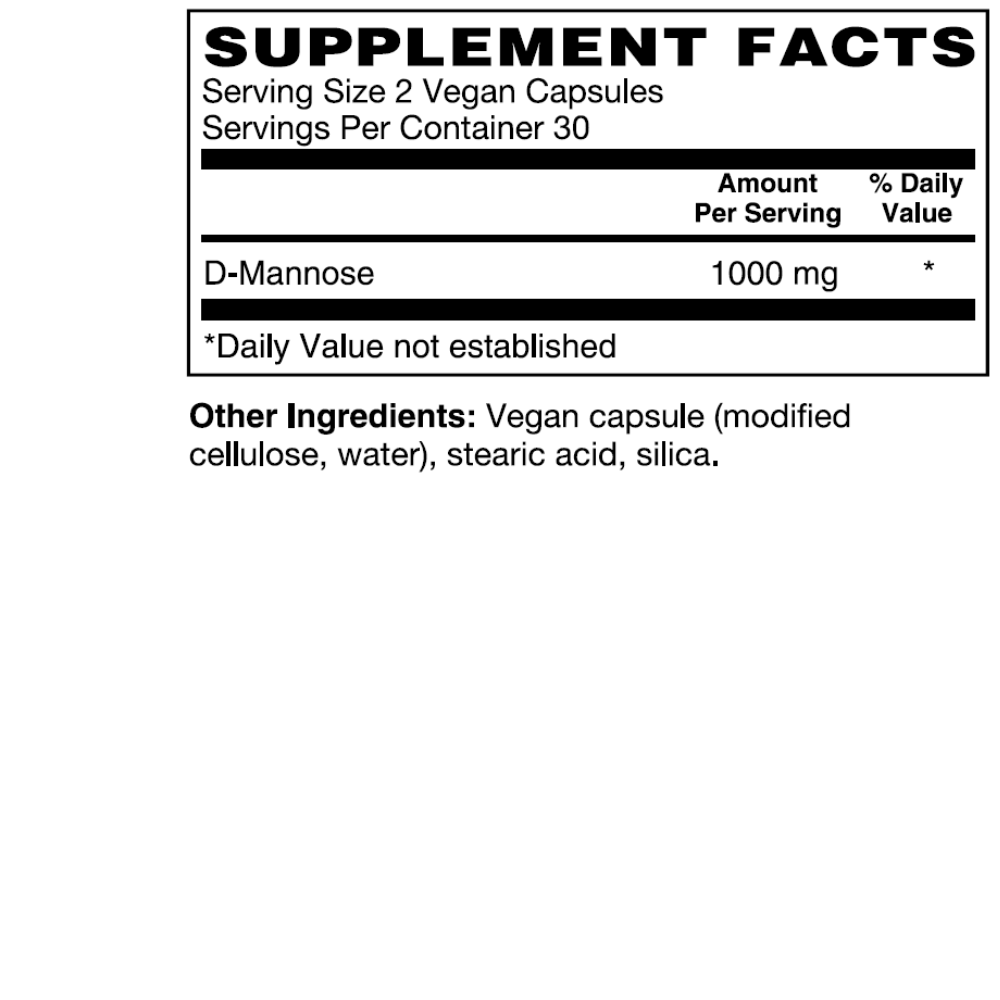
1000 mg D-Mannose
Contains No salt, dairy, yeast, corn, wheat, gluten, eggs, peanuts, soy, tree nuts, fish, shellfish, sesame, preservatives, artificial colors or flavors
Gluten Free, Non-GMO and Vegan
Benefits:
Clinically studied ingredient supports Urinary Tract Health.
D-mannose, a naturally occurring simple sugar, help s cleanse the urinary tract and maintain a healthy bladder lining. It is metabolized easily and excess amounts are rapidly excreted, so it won’t harm healthy blood sugar control. Clinical studies have demonstrated that, when taken regularly, D-mannose promotes normal urinary tract function by cleansing and maintaining a healthy bladder lining.
D-mannose is a sugar that can be found in many fruits and naturally occurs in the human body. It supports a healthy urinary tract by inhibiting bacteria from latching onto the walls of the urinary tract. It is thought that the bacteria are then expelled when urinating, thus preventing the growth of bacteria which leads to an infection inside the bladder or urinary tract.
D-mannose also has anti-inflammatory properties. For example, d-mannose can inhibit the neutrophil oxidative burst by suppressing neutrophil oxidative metabolism and attenuate the inflammatory reaction in wound healing. No similar effects were found for other hexose sugars such as glucose, galactose, or fructose.
Suggested Use:
As a dietary supplement, adults take two (2) vegan capsules daily, or as directed by a health care professional.
Storage Instructions:
Store in a cool, dry place
Keep away from direct light
KEEP OUT OF REACH OF CHILDREN
sale
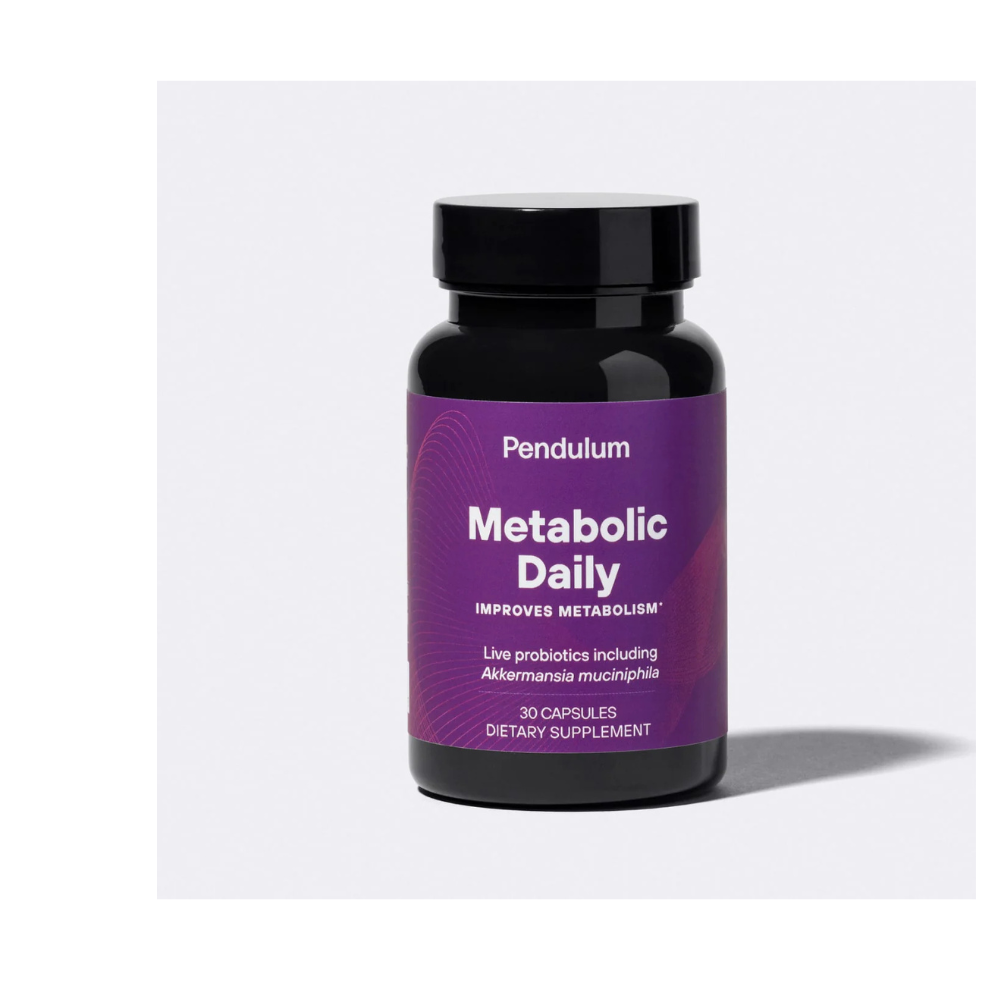
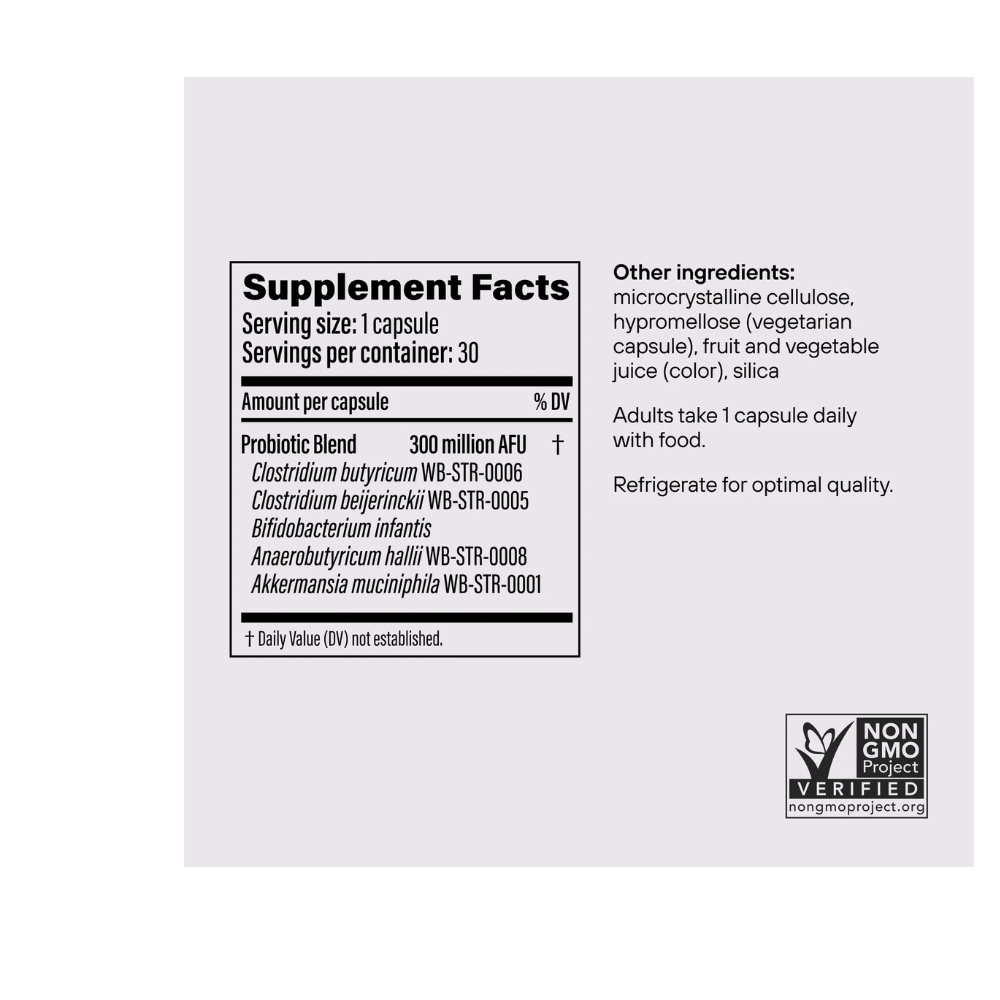
PENDULUM
METABOLIC DAILY
No reviews
$50.15
$59.00
4-IN-1 DAILY PROBIOTIC
With clinically proven live strains, it rebalances the gut for digestive health, enhances metabolic function, supports a healthy immune system, and helps maintain a healthy weight.
Sustains energy level
Helps metabolize sugars and carbs
Enhances natural GLP-1 production


Practitioner Brands
Physicians and healthcare practitioners trust these brands due to extensive clinical research and the exceptional quality, purity, and effectiveness of their ingredients.






Easy ordering at your fingertips!

Order today
Add the products you need from our online store and proceed to checkout.

We Ship With in 24 Hours
We ship within 24 hours excluding weekends and holidays. Tracking information will be sent to you via email.

Be Healthy & Happy
Optimize your health with our high-quality nutritional products and expert guidance.





Let customers speak for us
from 1031 reviews
Fermented Cod Liver Oil – Capsule – MSC certified

Dr Wilsons Adrenal C Formula

Great calcium supplement
I have been using metagenics for many years and this is the best calcium supplement. It has helped me maintain bone strength and health.

great service
and great product for eye support

It helps a lot
I love this product,however,I will soon need more and you don't have any and that does not make me very happy.

MIDDLE FINGER
I STARTED USING B1 ABOUT 5 YEARS AGO BECAUSE THE SLEEVES IN MY MIDDLE FINGERS WAS FREEZING UP AND IT WAS HARD TO OPEN AND CLOSE THE FINGER I WAS 2 WEEKS AWAY FROM HAVING A HAND SURG. IN SARASOTA FL CUT THE TENDONS WHEN A FRIEND TOLD ME ABOUT B1 AN HAVE HAD NO TROUBLE SENCE JIM

Ty I will be ordering again

All good
Works well too expensive

TRES’ BEAUTY THREE
GREAT product! It really does thicken my hair, adds shine and helps it to grow, but requires taking three pills a day for over a month to see results!

bioAllers Mold, Yeast & Dust

I works
I lost some hearing in my right ear which causes vertigo. Well mind vertigo alleviates the dizziness and quiets the upset stomach.

ArthroMax is Very Helpful
I have taken ArthroMax this year for joint comfort and mobility. It has definitely helped with flexibility and ease of motion for my hip joint. I recommend this product for people who need a little extra help for mild osteoarthritis.

Best Value
This is a great value. It is processed well and does not have anything added unnecessarily. I have been using this for a while now and it has helped with my digestive issues.

Does what it is supposed to.

A DIFFERENT KIND OF PHARMACY WHERE YOU'RE NEVER JUST A NUMBER
Trusted Reputation, Expertise, and Personalized Support

LEARN MORE ABOUT HEALTH & WELLNESS ON OUR BLOG
Our health and wellness specialists keep you updated with evidence-based content covering topics such as healthy nutrition, fitness, and overall mental and emotional well-being.


WATCH, LISTEN OR READ OUR HUMANIZED HEALTH PODCAST
Join us for engaging interviews and presentations featuring top experts in personalized health and functional medicine. Learn about root causes and how to decode your health by looking at genes, labs, lifestyle and health history..


FREQUENTLY ASKED QUESTIONS
Why are some practitioner brands restricted?
Some specialty and practitioner-brand nutritional supplements require individuals to have access to adequate professional advice before buying. Typically these brands are sold only in healthcare practitioners' offices. Having an expert nutritional team allows us to carry many top, hard-to-find practitioner brands including Xymogen, Metagenics, Klaire Labs, Thorne, Nordic Naturals’ professional line, and more.
Many of these top-quality manufacturers require screening of customers to ensure that purchases of their products are handled with extra care, and that customers have access to professionals familiar with the products.
Some practitioner brands also have restricted pricing for sales of their products over the internet. If you have a question regarding price for any of our supplements, please Contact us or call us at 800-869-9159.
How can I schedule a consultation?
You can easily schedule a one-on-one virtual consultation from anywhere by using the secure HIPAA-compliant web portal. Click "Book Your Appointment," select a practitioner and appointment time, and choose the consultation that suits you.
How can your pharmacists help me with my health issues?
Our knowledgeable pharmacists can provide valuable insights on nutritional depletions caused by certain drugs and guide you on interactions between drugs and nutrients or herbs. This information is not commonly available and ensures optimal medication management.
What services does your compounding pharmacy offer?
Our compounding pharmacy specializes in creating personalized combinations of drugs and nutrients tailored to your specific needs and preferences. Custom compounds are prepared on orders from a nutritionist or physician, like a regular prescription. Some physicians who regularly prescribe individualized compounds include family care doctors, allergists, pediatricians, and dermatologists. Veterinarians also use custom compounds for their pet patients.
What are the benefits of individualized compounds?
Individualized compounds offer several advantages over mass-produced bottled products, including simplified nutritional programs, accurate tailor-made dosages, reduced daily capsule intake, varied dosage forms like liquids or creams, and elimination of non-natural fillers and allergens.
Do you offer lab tests?
Yes, Village Green offers a wide variety of functional lab tests that can be ordered online, providing valuable insights into your health status. Some kits are also available for purchase in-store for added convenience.
Our nutrition experts are available for consultation to help interpret your lab results. They will work closely with you to understand the findings and create customized protocols based on your unique needs and health goals.

Invalid password
Enter


Stay Connected
Village Green Apothecary
5415 W Cedar Ln
Bethesda, Maryland, 20814
(301) 530-0800
Toll Free: (800) 869-9159
The information provided on this site is not intended to be a substitute for advice or treatment from a qualified physician, nor is it intended to diagnose or treat a health problem or disease. Consult your physician prior to starting any new health program or if you any questions regarding a medical condition.
© 2025 Village Green Apothecary - All Rights Reserved.