 FREE SHIPPING! On online orders of $74+. Use code: SHIP74




Access Denied
IMPORTANT! If you’re a store owner, please make sure you have Customer accounts enabled in your Store Admin, as you have customer based locks set up with EasyLockdown app. Enable Customer Accounts
Healthy Living Blogs
From Village Green Apothecary

Creatine Supplementation For Brain, Bone and Muscle Health in Menopausal Women
As women transition through perimenopause, menopause, and postmenopause, hormonal changes can impact various aspects of their health, including muscle mass, strength, and overall well-being. Creatine, a supplement that has gained attention in recent years for its potential benefits in these areas, prompts the question: Is it suitable for women during these life stages? This review explores how creatine supplementation during a woman’s lifespan may enhance her health.
Post on Wed, Apr 24, 2024 by Paula Gallagher
READ MORE

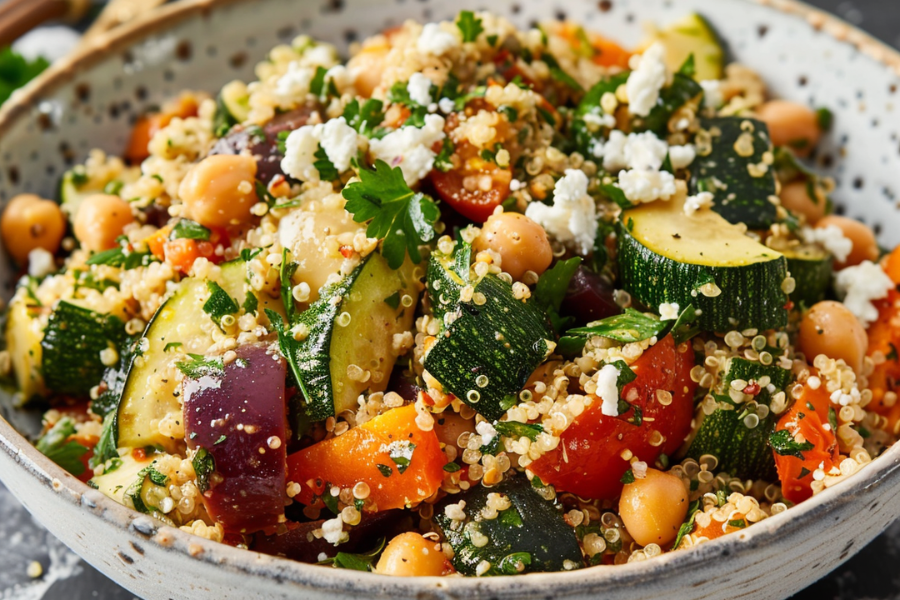
Post Workout Meal: Protein-Packed Quinoa Salad with Roasted Vegetables
After a strenuous workout, it's essential to refuel your body with a nutrient-rich meal that aids muscle recovery and replenishes energy stores. This Protein-Packed Quinoa Salad with Roasted Vegetables is a delicious and satisfying post-workout...
Post on Mon, Apr 22, 2024 by Paula Gallagher
READ MORE
VILPA: The Most Flexible Way to Get Your Body Moving
For many people, finding time to fit in exercise is challenging. In an increasingly busy world, we are also becoming more sedentary. However, study after study shows how important physical activity is for maintaining overall health and well-being. One approach gaining attention is Vigorous...
Post on Fri, Apr 19, 2024 by Paula Gallagher
READ MORE
Exploring the Link Between Strep Infections, Insulin Resistance, and Depression
Strep infections are known to trigger autoimmune disorders, affecting millions worldwide. Researchers from Stanford University found an association between post-strep autoantibodies and an enzyme involved in insulin degradation and insulin resistance. The autoantibodies attack the enzyme and decrease insulin...
Post on Wed, Apr 17, 2024 by Teri Cochrane
READ MORE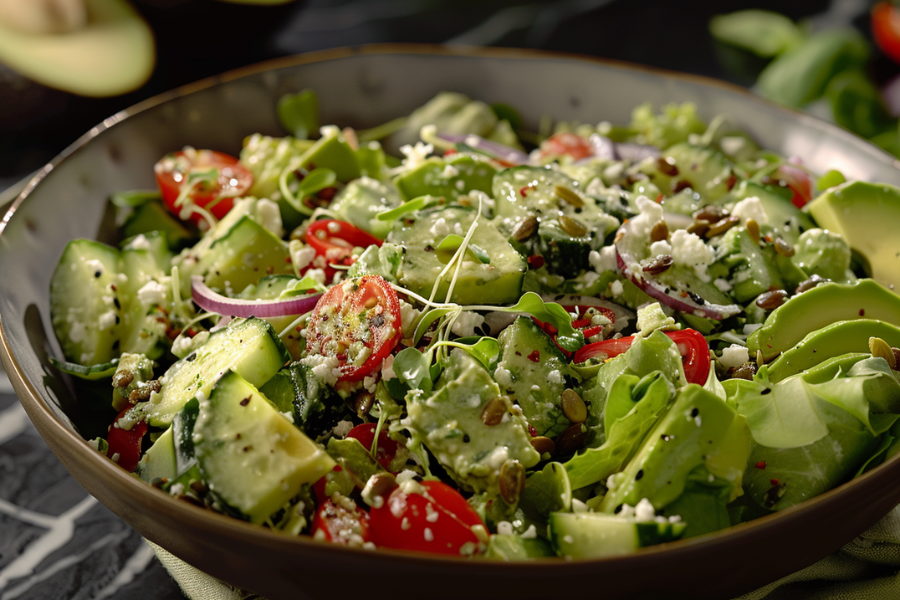
Dinner Tonight: Green Goddess Salad
I have been eager to try the viral Green Goddess Salad for a while, and now that the weather is finally warmer, it feels like the perfect time. Bursting with vibrant colors, fresh flavors, and a nutritional powerhouse of ingredients, this salad is a...
Post on Tue, Apr 16, 2024 by Paula Gallagher
READ MORE
Serotonin: The Happy Hormone and How to Support Its Levels
Serotonin, a neurotransmitter primarily found in the brain and gastrointestinal tract, is often dubbed the "happy hormone" for its role in regulating mood and emotions. Beyond its influence on mood, serotonin also plays a vital role in sleep, appetite, and various other physiological functions,...
Post on Fri, Apr 12, 2024 by Paula Gallagher
READ MORE
Improving Autism Spectrum Disorder Through Diet & Nutrition
April is World Autism Month. Autism spectrum disorder (ASD) is a developmental disability that can cause significant social, communication and behavioral challenges. People with ASD share some common symptoms, but they also can...
Post on Wed, Apr 10, 2024 by Village Green Nutrition Team
READ MORE
Are You Drinking Your Greens?
In today's fast-paced world, maintaining a balanced and nutritious diet can be a challenge. Busy schedules, convenience foods, and hectic lifestyles often lead to gaps in our nutrition. Enter greens supplements: a booming industry promising...
Post on Mon, Apr 08, 2024 by Paula Gallagher
READ MORE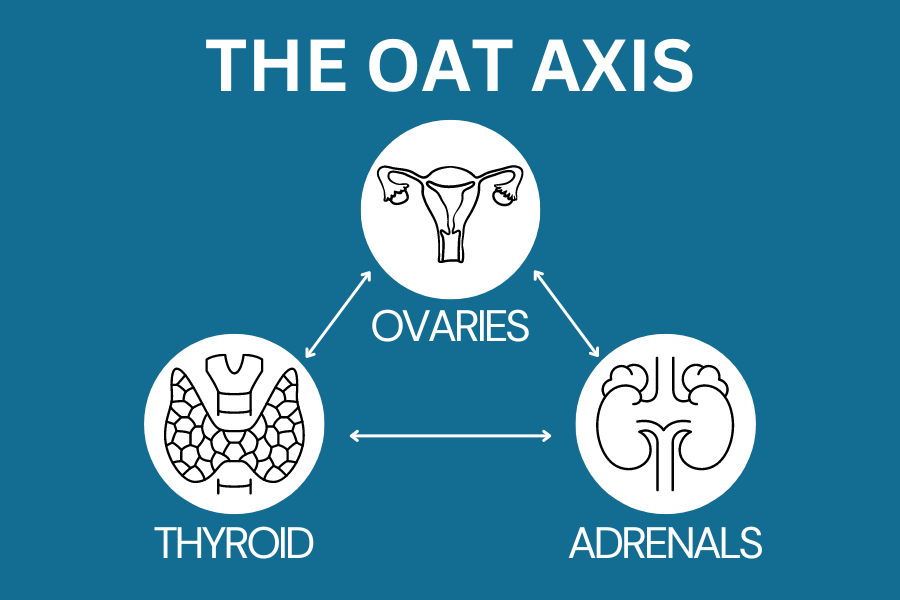
The OAT Axis: Unraveling the Connection Between Ovaries, Adrenals, and Thyroid
Did you know there is a complex interplay between various glands and organs that govern our hormonal balance and overall well-being? Among these intricate networks lies the OAT axis, a term encompassing the dynamic relationship between the ovaries, adrenal glands, and...
Post on Fri, Apr 05, 2024 by Paula Gallagher
READ MORE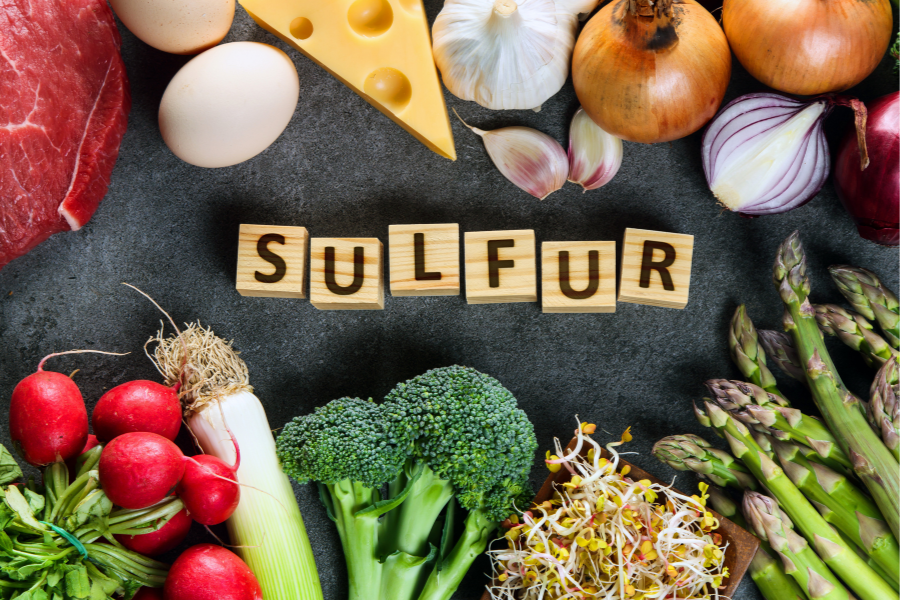
Understanding Sulfur Sensitivity: Could Your Veggies Be the Culprit?
Love your veggies, but feel crummy after a cruciferous crunch? You might be experiencing sulfur sensitivity. Sulfur is a fascinating element found in many nutritious foods. It boasts potential detox and cancer-fighting benefits, but it might pose challenges for certain individuals. Factors like exposure to...
Post on Wed, Apr 03, 2024 by Teri Cochrane
READ MORE
Let customers speak for us
from 593 reviews
Great stuff
Awesome

Artichoke
Good product!!!!

Bee pollen
They are delicious and fresh. Helps the mind , body, and soul

Great probiotic
This probiotic helps keep my gut bacteria in check and my immune system in good condition.

Great service.

SLEEP
Just started taking this mag glycinate. Hoping it will help with sleep issues.

It's working!
Highly recommended by my acupuncturist! It is a powerhouse!

This really helps
I started useing this at first sign of tingling like others have mentioned and I reapply every two hours throughout the day . Its strong stuff just a thin layer needed. I'm on day 3 of use and my cold sore is 1/3 the size it normally gets . And no pain or irritation . I feel like it's starting to heal up already . Recommended to keep useing it even past the time you think it's going away. I really like this but have to eat tic tacos cause leaves strong taste in mouth . It's totally worth it !!!

Nattokinase for Spike Detox and Cardiovascular health
I stated taking Nattokinase as part of a precautionary Spike protein detox. Since this is a preventative for me, not a corrective hard to tell if it’s working. But, it’s also supposed to help with Cardiovascular function.

allercetin allergy and sinus
it's very helpful to treat my allergies and sinus indeed. Works well!!! Thank you!!

Magnesium (citrate)

Great product
Gets rid of my cough quickly. Arrived promptly. I recommend.

I appreciate the very prompt and helpful service

Helps alot
I live in the desert. My sinus’s are always dry and in the spring I am bothered by allergies when certain plants start blooming. I prefer not to take allergy meds since they make me tired so I rely on this and herbal nasal spray to get me through.

Never had to use hormones
I have used Newton's Menopause drops for years and have never had to take hormones. They are getting hard to find. I googled them and found them at Village Green Apothecary. I had never heard of Village Green and was a little leary of ordering from them, but I did anyway. They sent my order in a timely fashion with no problems.



Invalid password
Enter


Learning Resources
Consultations
Green Initiatives
Pharmacy/Compounding
Humanized Health
Village Green Blog
Stay Connected
Village Green Apothecary
5415 W Cedar Ln
Bethesda, Maryland, 20814
(301) 530-0800
Toll Free: (800) 869-9159
The information provided on this site is not intended to be a substitute for advice or treatment from a qualified physician, nor is it intended to diagnose or treat a health problem or disease. Consult your physician prior to starting any new health program or if you any questions regarding a medical condition.
© 2023 Village Green Apothecary - All Rights Reserved.